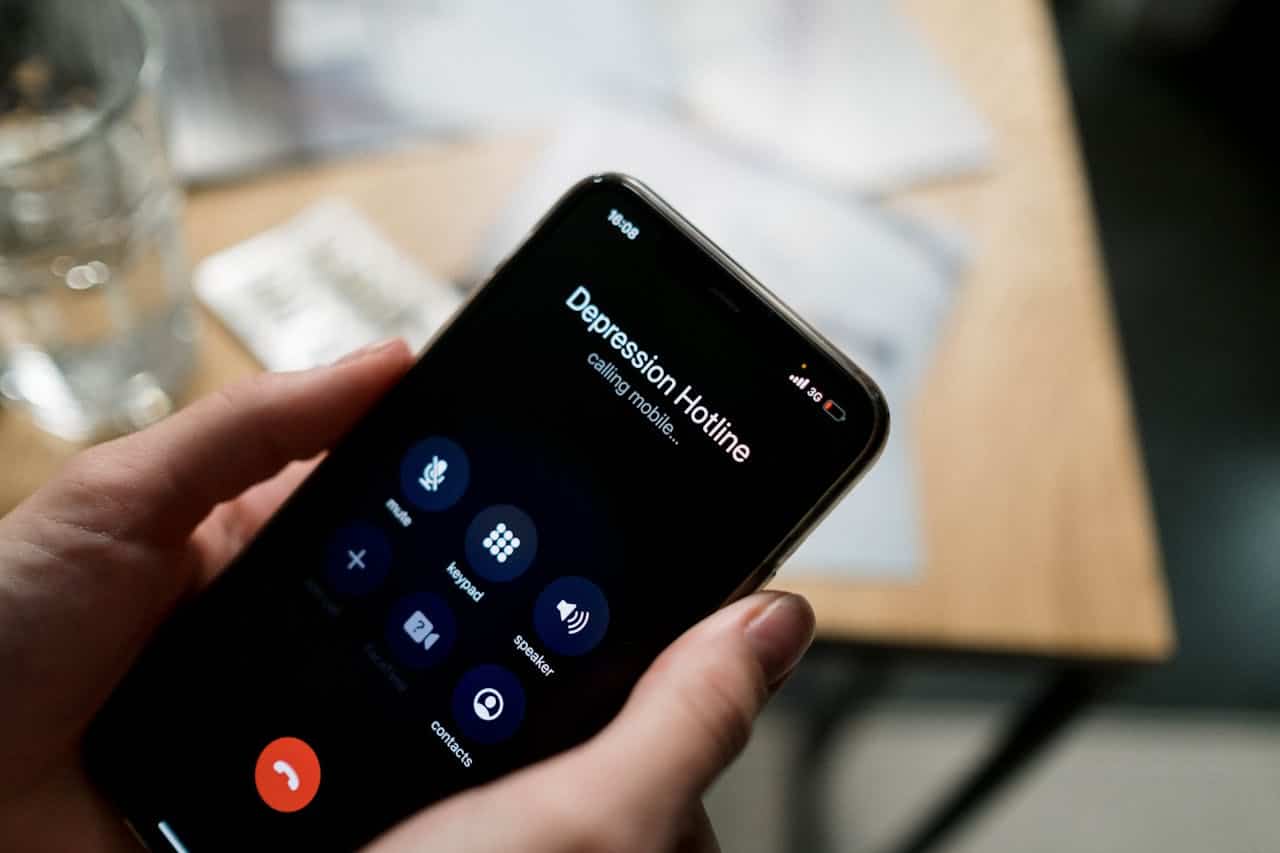
Psychological First Aid provides evidence-based protocols for immediate crisis response, using three core principles (Look, Listen, Link) to address panic attacks, suicidal statements, acute grief, dissociation, and violence exposure through practical support that bridges emergency situations with professional therapeutic care.
When someone you care about is in crisis, do you know how to help without making things worse? Psychological First Aid gives you practical, evidence-based protocols to provide meaningful support in those critical moments when professional help isn't immediately available.
What is Psychological First Aid?
Psychological First Aid (PFA) is an evidence-informed approach designed to help people in the immediate aftermath of a crisis, disaster, or traumatic event. Think of it as the mental health equivalent of physical first aid: practical, compassionate support that anyone can learn to provide. Whether someone has just experienced a natural disaster, witnessed violence, or received devastating news, PFA offers a framework for responding with dignity and care.
Major organizations including the World Health Organization, the American Red Cross, and the National Center for PTSD developed PFA as a humane response to human suffering. The approach draws on decades of research about how people cope with adversity and what kinds of support actually help in those critical early hours and days. Unlike approaches that assume everyone needs intensive intervention, PFA recognizes that most people have natural resilience and will recover with the right kind of basic support.
PFA is not therapy, counseling, or psychological debriefing. You don’t need a clinical license to use it, and you’re not diagnosing or treating mental health conditions. Instead, you’re providing practical assistance, emotional comfort, and connection to resources. This distinction matters because PFA fills a crucial gap between doing nothing and formal clinical care. While trauma-informed care principles guide therapeutic relationships, PFA focuses on immediate, accessible support that reduces initial distress and promotes adaptive coping.
The core philosophy behind PFA respects human dignity and individual differences. It doesn’t force people to talk about what happened or assume everyone needs the same response. Some people want to share their experience right away, while others need silence and space. PFA honors these different coping styles while watching for signs that someone might need additional support for traumatic disorders down the line. The goal is simple: reduce suffering, support natural recovery, and connect people to ongoing care if needed.
The Core Principles of Psychological First Aid
Psychological First Aid operates on a straightforward framework designed to guide anyone through helping others in crisis. At its heart, PFA follows three core actions known as the three Ls: Look, Listen, and Link. These principles create a flexible approach that works across diverse emergencies, from natural disasters to personal tragedies.
The first principle, Look, means assessing your environment before you intervene. You observe for immediate safety hazards that could put you or others at risk, and scan for people who appear to have urgent needs, whether physical injuries, severe distress, or disorientation.
The second principle, Listen, involves approaching people who may need support with genuine care. You ask about their immediate concerns rather than assuming what they need. Active listening means paying full attention to both their words and body language, creating space for them to express what matters most right now.
The third principle, Link, focuses on connecting people to practical resources. You help them address basic needs like food, shelter, medical care, or contact with loved ones, and facilitate connections with family, friends, or community resources that can offer ongoing help.
These three Ls form a flexible framework that adapts to any crisis situation, whether you’re responding to a community disaster or supporting someone experiencing a personal emergency. PFA prioritizes practical help over emotional processing because people need safety and stability before they can begin to heal. You’re not trying to fix someone’s trauma in the moment. You’re helping them regain a sense of control and access the resources they need.
Cultural humility matters deeply in this work. Different people express distress differently based on their background, beliefs, and experiences. Effective PFA means recognizing these differences and adapting your approach to respect each person’s unique needs and communication style.
When to Use Psychological First Aid
Knowing when to offer Psychological First Aid can mean the difference between someone feeling supported or isolated during a crisis. PFA is designed for use in the immediate aftermath of traumatic events, when emotional wounds are fresh and professional mental health services may not yet be accessible.
You might apply PFA right after witnessing or responding to accidents, acts of violence, sudden loss of a loved one, or natural disasters. The first hours to days following a crisis create a critical window where PFA proves most effective, offering stabilization before distress becomes more entrenched.
Watch for signs that someone needs support: uncontrollable crying, complete withdrawal from others, visible agitation, or confusion about basic tasks they’d normally handle easily. People experiencing acute anxiety may also benefit from these supportive techniques.
PFA applies across many settings: workplace incidents like injuries or sudden layoffs, school emergencies, community tragedies, and family crises all create moments where trained individuals can step in. You don’t need to be a therapist to help. When professional mental health care isn’t immediately available, these skills provide crucial early support as a bridge to formal treatment.
The First 5 Minutes: Your Immediate Crisis Response Protocol
The initial moments of a crisis intervention can determine whether someone feels safe enough to accept help. These first five minutes aren’t about solving problems or offering advice. They’re about creating a foundation of safety and trust that makes everything else possible. Think of this protocol as a flexible guide, not a rigid script.
0–60 Seconds: Safety Scan and Approach
Before you do anything else, assess the physical environment. Look for immediate dangers to yourself and the person in crisis: weapons, traffic, unstable structures, or other hazards. Identify your exits. If you can safely remove obvious hazards like sharp objects or medications, do so quickly and without drawing attention to it.
Your approach matters as much as your words. Move calmly and deliberately, avoiding sudden movements that might startle someone who’s already overwhelmed. Position yourself at a slight angle rather than directly face-to-face, which can feel confrontational when someone is in distress. Keep your hands visible and your posture open.
1–2 Minutes: Establishing Presence and Initial Contact
Your first words should acknowledge what you’re observing without judgment or assumption. A simple grounding statement works best: “I noticed you seem really upset. I’m here if you’d like to talk.” This validates their experience without forcing interaction.
Speak in a calm, low voice, but don’t whisper or sound artificially soothing. Match their energy level minus about 10%. If they’re highly agitated, you can be engaged and alert without matching their intensity. This subtle downregulation helps their nervous system begin to settle without making them feel dismissed. Avoid rushing to fill silence.
2–5 Minutes: Active Listening Initiation
Once you’ve established initial contact, begin active listening by reflecting what you observe. “You’re breathing really fast” or “I can see you’re shaking” shows you’re paying attention without making assumptions about what they’re feeling.
Ask open questions that give them control: “Can you tell me what happened?” or “What do you need right now?” If someone is experiencing panic attacks or similar acute distress, they may not be able to answer complex questions yet. Offer reassurance through your continued presence: “I’m not going anywhere” or “Take your time.” Mirror calming behaviors subtly. If you want them to slow their breathing, slow yours first. Your body language becomes a template for regulation.
Crisis-Specific PFA Protocols
While the core principles of Psychological First Aid remain constant, recognizing what you’re dealing with helps you respond more effectively. These five protocols address the most common crisis situations you’re likely to encounter.
Responding to Panic Attacks
You’ll recognize a panic attack by rapid breathing, chest clutching, sweating, and an expression of pure terror. The person may say they’re dying or losing control. Resist the urge to say “calm down” or “you’re fine,” as these phrases often make things worse.
Stay calm yourself and guide them through grounding exercises. Ask them to name five things they can see, four things they can touch, three things they can hear. Help slow their breathing by breathing with them: in for four counts, hold for four, out for six. Remind them that panic attacks always end, usually within 10 to 20 minutes.
Escalate to emergency services if chest pain could indicate a medical emergency, if the person has never experienced this before, or if symptoms don’t improve after 30 minutes.
Responding to Suicidal Statements
Take every mention of suicide seriously, even if it sounds casual or joking. Ask directly: “Are you thinking about killing yourself?” This directness doesn’t plant ideas; it opens the door to help.
If they say yes, ask if they have a plan and the means to carry it out. Stay with them. Don’t leave them alone, and don’t promise to keep their suicidal thoughts secret. Remove access to lethal means if safely possible.
Avoid saying “you have so much to live for” or “think about your family.” These statements, while well-intentioned, can increase shame and isolation. Instead, acknowledge their pain: “It sounds like you’re in a lot of pain right now.” Call 988 (Suicide and Crisis Lifeline) immediately if the person has a specific plan and means, if they’ve already taken steps toward a suicide attempt, or if you feel unable to keep them safe. Learn more about recognizing and responding to suicidal ideation.
Responding to Acute Grief
Fresh grief looks different on everyone. Some people sob uncontrollably. Others appear numb or laugh inappropriately. All reactions are normal, and your role is to allow whatever emerges without judgment.
Don’t rush them through emotions or offer platitudes like “they’re in a better place” or “everything happens for a reason.” Sit with silence. Say “I’m so sorry” and mean it. Practical support often matters more than words. Offer specific help: “Can I bring you dinner tomorrow?” rather than “Let me know if you need anything.” People in acute grief struggle to identify or ask for what they need.
Seek professional support if the person expresses suicidal thoughts, can’t perform basic self-care after several days, or shows no variation in their emotional state after two weeks.
Responding to Dissociation
Dissociation can look like someone staring blankly with glassy eyes, not responding when you speak to them, or seeming disconnected even though they’re physically present. They might describe feeling detached from their body or like they’re watching themselves from outside.
Use gentle sensory grounding to help them reconnect. Ask them to press their feet into the floor, hold something cold, or describe objects in the room. Speak in a calm, steady voice and keep your sentences short and simple. Never touch someone who’s dissociating without asking permission first. Avoid sudden movements or loud noises.
Escalate if the person remains unresponsive for more than 30 minutes, if they seem confused about where or who they are, or if dissociation follows a head injury.
Responding to Violence Exposure
Whether someone just witnessed violence or experienced it directly, their first need is physical safety. Help them get to a secure location before addressing emotional needs. Their body may be in fight, flight, or freeze mode, making rational conversation difficult.