Full Spectrum Light Therapy: A Guide to SAD Treatment
Pour aider les enfants atteints de dyslexie, il faut combiner des techniques d'apprentissage visuel, un soutien pédagogique et des interventions thérapeutiques afin de remédier aux difficultés scolaires et aux répercussions émotionnelles, telles que l'anxiété et le manque d'estime de soi, qui touchent jusqu'à 20 % de la population.
Voir votre enfant brillant lutter contre la lecture peut être déchirant, mais la dyslexie ne définit pas son potentiel. Découvrez des stratégies d'apprentissage pratiques et des approches de soutien thérapeutique qui aident les enfants à réussir sur le plan scolaire tout en renforçant leur confiance en eux et leur résilience émotionnelle.
In this Article
Full Spectrum Light Therapy for Seasonal Affective Disorder
How does full spectrum SAD light therapy work?
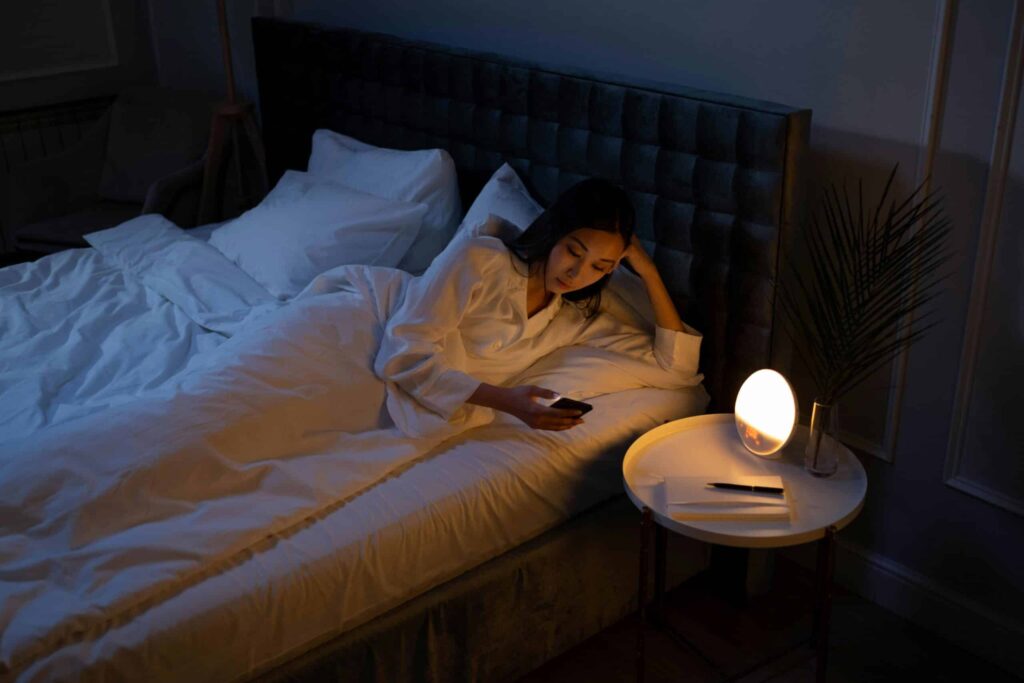
When individuals undergo full spectrum light therapy, they utilize a specialized light box as their treatment. This box emits light that the person stands or sits in front of during therapy sessions.
Using a SAD lamp with a full spectrum light bulb can be particularly beneficial for those experiencing seasonal depression. These lamps are designed to replicate natural sunlight, which is essential for maintaining mental wellness. When positioning yourself in front of the lamp, you may close your eyes or keep them open, but it’s important to avoid looking directly at the light source. While this isn’t an immediate solution, consistent use often leads to noticeable improvements in depression symptoms and overall mental health.
Three critical components factor into effective full spectrum light therapy:
- Light intensity (lux): indicates the amount of light received during sessions. For SAD treatment, a standard 10,000 lux light is typically recommended when positioned between 16 and 24 inches away.
- Duration: varies depending on the type of light and the lux amount.
- Timing: many individuals benefit most from light therapy sessions early in the morning.
Research suggests that consistency is key to successful full spectrum light therapy. For shift workers or those with demanding schedules, compact light therapy devices may provide a convenient solution.
The historical development of SAD therapy
The healing power of sunlight has been recognized for centuries across various cultures. Natural light has been documented as a medical treatment throughout human history. However, full spectrum light boxes didn’t gain popularity until the 1990s. Since then, countless success stories have kept this therapeutic approach in the spotlight.
Who can benefit from full spectrum SAD therapy?
Full spectrum light therapy can address several conditions, but in terms of mental health, it’s particularly beneficial for those experiencing depression, especially seasonal affective disorder. Additionally, it can help with other types of depression, circadian rhythm sleep disorders, and jet lag symptoms for frequent travelers.
Interestingly, while blue light from screens can suppress melatonin (which regulates sleep), research indicates that daytime exposure to blue light can enhance alertness and cognitive function.
Recognizing the symptoms of seasonal affective disorder
SAD typically presents symptoms similar to other forms of depression, with the key distinction being its seasonal pattern. For most individuals, symptoms emerge during winter months (often called “winter blues”), though some may experience SAD during different seasons.
The cyclical nature of SAD means symptoms typically appear and resolve around the same time each year, creating a predictable pattern.
Depression symptoms may include sadness or feeling down, but can also manifest as increased irritability and anger. Changes in sleep patterns and appetite are common – some individuals sleep or eat more, while others experience decreased sleep or appetite. Many people with depression withdraw from relationships and activities they previously enjoyed, experiencing a sense of shutting down from life.
Why artificial light therapy is necessary
If full spectrum light therapy essentially provides artificial sunlight, why not simply go outside? While natural sunlight is indeed optimal, many people today experience significant shortages of sunlight exposure. This includes individuals who work long hours, leaving for work before sunrise and returning home after sunset.
Full spectrum light therapy is particularly valuable for addressing SAD in regions with limited winter sunlight. Many people experience SAD between fall and early spring, when shorter daylight hours combine with increased cloud cover to reduce natural light exposure.
Unlike outdoor light exposure, which varies considerably, light therapy boxes provide consistent, controlled full spectrum light for those unable to get sufficient natural sunlight throughout their day.
Obtaining a SAD light therapy box
SAD light therapy boxes are available without prescription through online retailers and stores. However, consulting with a healthcare provider or licensed clinical social worker before purchasing is highly recommended.
Improper use of light therapy boxes can cause adverse side effects, and certain individuals should avoid light therapy entirely. Therefore, purchasing a light box without professional guidance could potentially worsen your condition rather than improve it.
Light therapy boxes vary dramatically in price, ranging from $20 to several thousand dollars. This price variation is another reason to consult with a professional before making a purchase. While the least expensive option may not adequately address your needs, you might not require the most expensive model either.
When selecting a light therapy box, consider whether it emits UV rays. Many available options are UV-free, mimicking sunlight’s beneficial aspects without potentially harmful ultraviolet radiation.
Taking the next step with light therapy
If you believe full spectrum light therapy might benefit you, consider consulting with a licensed clinical social worker who has experience with this treatment approach. They can provide guidance tailored to your specific needs.
During your initial consultation, discuss why you’re interested in light therapy and explore available treatment options. Your provider will offer professional insight regarding the most appropriate treatment approach for your situation. Some individuals benefit from light therapy alone, while others achieve optimal results by combining light therapy with other treatments such as counseling sessions.
Effectiveness of light therapy
Some people question whether light therapy can genuinely improve depression symptoms. It’s important to understand that light therapy isn’t universally effective for everyone and shouldn’t be viewed as a cure-all for depression. However, many individuals do experience significant improvement in their mental health and depression symptoms through consistent full spectrum light therapy.
Takeaway
If you’re experiencing seasonal affective disorder or winter blues, light therapy could be an appropriate treatment option. However, you might also benefit from therapy with a licensed clinical social worker. For those who find it challenging to attend in-person therapy, telehealth options like those offered by ReachLink provide convenient access to mental health support. Research has demonstrated that telehealth therapy can be just as effective as in-person sessions. With ReachLink, you can connect with a licensed clinical social worker from your home via secure video sessions. Our platform can match you with a provider experienced in treating SAD and depression. Take the first step toward improved mental wellness today.
QUESTIONS FRÉQUEMMENT POSÉES
-
Comment la thérapie peut-elle aider les enfants dyslexiques à prendre confiance en eux ?
La thérapie aide les enfants dyslexiques à développer des stratégies d'adaptation, à accroître leur estime de soi et à résoudre les problèmes émotionnels liés aux difficultés d'apprentissage. La thérapie cognitivo-comportementale (TCC) peut aider les enfants à recadrer les pensées négatives concernant leurs capacités et à renforcer leur résilience lorsqu'ils sont confrontés à des difficultés scolaires.
-
Quelles sont les approches thérapeutiques les plus efficaces pour les enfants dyslexiques ?
Les approches fondées sur des données probantes comprennent la TCC pour traiter les problèmes d'anxiété et d'estime de soi, la thérapie par le jeu pour les enfants plus jeunes afin de traiter les émotions, et la thérapie familiale pour améliorer la communication et les systèmes de soutien. Les thérapeutes utilisent souvent des approches basées sur les points forts, qui mettent l'accent sur les capacités uniques de l'enfant plutôt que sur ses déficits.
-
Quand les parents doivent-ils envisager une thérapie pour un enfant dyslexique ?
Il faut envisager une thérapie lorsque l'enfant présente des signes d'anxiété, de dépression, de manque d'estime de soi ou des problèmes de comportement liés à ses difficultés d'apprentissage. Une intervention précoce est bénéfique, en particulier si l'enfant exprime des sentiments négatifs à l'égard de l'école, évite les activités de lecture ou manifeste une détresse émotionnelle face aux tâches scolaires.
-
Comment la thérapie familiale peut-elle aider un enfant dyslexique ?
La thérapie familiale aide les parents à comprendre l'impact de la dyslexie sur l'ensemble de la famille, améliore les stratégies de communication et enseigne des techniques de soutien efficaces. Elle aborde la dynamique familiale, réduit le stress et aide les frères et sœurs à comprendre et à soutenir leur frère ou sœur dyslexique.
