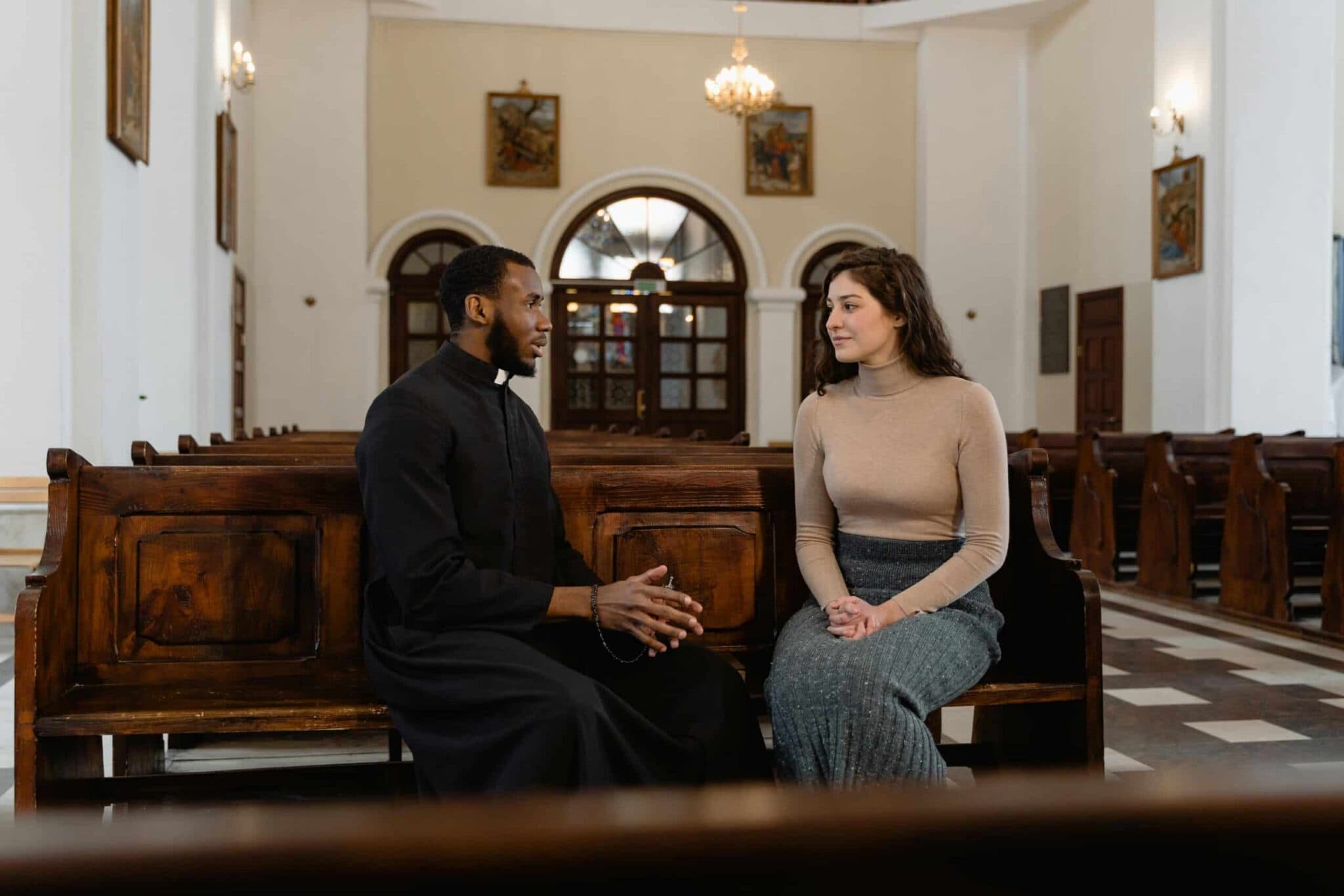
Christian counseling integrates evidence-based therapeutic techniques like cognitive behavioral therapy with biblical teachings and spiritual practices, providing licensed mental health treatment that honors faith values while effectively addressing anxiety, depression, and relationship challenges through professional therapeutic guidance.
Have you ever felt like you needed to choose between getting professional mental help and staying true to your faith? Christian counseling bridges that gap, combining evidence-based therapy with biblical principles to address both your psychological and spiritual needs in one integrated approach.
What is Christian counseling?
Christian counseling integrates psychological principles with Christian faith and biblical teachings to address mental health concerns. This approach combines evidence-based therapeutic techniques with spiritual practices like prayer, Scripture reading, and faith-based guidance. It’s designed for people who want their values and beliefs reflected in their mental health care.
Christian counseling exists on a spectrum. On one end, you’ll find licensed therapists who hold credentials like LPC, LMFT, or LCSW and integrate faith into their clinical practice. These professionals can treat conditions like anxiety and depression using both therapeutic methods and spiritual support. On the other end are pastoral counselors and biblical counselors, who may focus primarily on spiritual guidance without formal mental health licensure.
The distinction matters. Licensed Christian therapists are trained in psychology and bound by professional ethics and state regulations. Pastoral counselors typically have theological training and may offer spiritual direction alongside emotional support. Lay or biblical counselors often work within church settings, providing faith-based guidance without clinical credentials.
People seek Christian counseling for various reasons. Some want a therapist who understands how faith shapes their worldview and won’t dismiss their spiritual concerns. Others believe healing involves both psychological and spiritual dimensions. Many appreciate having someone who can address mental health struggles while honoring their relationship with God. This approach recognizes that your faith isn’t separate from your mental health but deeply connected to how you experience and process life’s challenges.
Types and Models of Christian Counseling
Christian counseling isn’t a single, unified approach. Different models reflect varying perspectives on how Scripture, theology, and psychological science should work together in the counseling room. Understanding these distinctions helps you find a therapist whose approach aligns with your beliefs and therapeutic needs.
Biblical/Nouthetic Counseling (CCEF Approach)
Biblical counseling emphasizes the sufficiency of Scripture for addressing all life problems, including mental health concerns. This model, popularized by Jay Adams through Nouthetic counseling, views the Bible as the primary source of wisdom for understanding human behavior and facilitating change.
The Christian Counseling and Educational Foundation (CCEF) represents a leading organization in this tradition. Counselors using this approach focus on sin, repentance, and spiritual growth as central to healing. They typically rely on Scripture reading, prayer, and biblical instruction rather than psychological theories or diagnostic frameworks.
This model works best for people who prioritize a Scripture-centered approach and view their struggles primarily through a spiritual lens. Counselors often hold biblical counseling certifications rather than state licensure, though some hold both credentials.
Integration Models (AACC Tradition)
Integration models combine psychological research with Christian theology, believing both general revelation (scientific knowledge) and special revelation (Scripture) offer valuable insights into human nature. The American Association of Christian Counselors (AACC) champions this approach, which represents the most common form of faith-based counseling certification in the United States.
Counselors using integration models typically hold state licenses (LPC, LMFT, LCSW) and incorporate evidence-based techniques like cognitive behavioral therapy alongside spiritual practices. They may use psychological assessments, diagnose mental health conditions using the DSM-5, and apply trauma-informed approaches while maintaining a Christian worldview.
This model suits people who want professional mental health treatment that honors their faith without dismissing psychological science.
Transformational Psychology and Christocentric Therapy
Transformational psychology focuses on how relationship with Christ produces lasting psychological change. This approach emphasizes spiritual formation, identity in Christ, and the Holy Spirit’s role in healing emotional wounds.
Christocentric therapy places Christ at the center of the therapeutic process, viewing Him as the ultimate healer. Counselors help clients develop deeper intimacy with God while addressing mental health symptoms. These models blend contemplative spiritual practices with therapeutic techniques.
Both approaches appeal to people seeking deep spiritual growth alongside symptom relief.
Comparison: Which Model Is Right for You?
Choosing the right model depends on your theological convictions and what you hope to gain from counseling.
If you believe Scripture alone provides sufficient guidance for life’s problems, Biblical/Nouthetic counseling may fit best. This approach prioritizes spiritual growth and biblical obedience over psychological frameworks.
If you want a licensed therapist who integrates proven psychological treatments with Christian faith, integration models offer comprehensive care. You’ll receive evidence-based therapy informed by Christian values.
If you’re focused on spiritual formation and deepening your relationship with Christ as the path to healing, Transformational Psychology or Christocentric approaches emphasize this dimension.
Consider also whether you need specialized treatment for conditions like severe depression, anxiety disorders, or trauma. Integration models typically offer more specialized clinical training for complex mental health concerns, while Biblical counseling excels at addressing spiritual struggles and life transitions.
How Christian Counseling Works: What Happens in Sessions
Christian counseling combines evidence-based therapeutic techniques with spiritual practices to address both psychological and faith dimensions of your concerns. Understanding what actually happens during sessions can help you feel prepared and confident as you begin.
How does faith-based therapy work?
Faith-based therapy works by integrating psychological principles with Christian faith to create a holistic treatment approach. Your therapist uses proven therapeutic methods like cognitive behavioral therapy (CBT), EMDR, or family systems therapy while incorporating Scripture, prayer, and biblical wisdom when appropriate. This dual approach addresses your mental health symptoms while honoring your spiritual beliefs and values.
The integration looks different for each person. You might work on anxiety using CBT cognitive restructuring while your therapist helps you identify Scripture passages that challenge anxious thoughts. Or you might process trauma through EMDR while exploring how your faith provides meaning and resilience during healing.
Your first session: Assessment and faith integration
Your initial session focuses on understanding your concerns and establishing how faith fits into your treatment. Your therapist will ask about your presenting issues, mental health history, current symptoms, and treatment goals. They’ll also explore your faith background, spiritual practices, and how much you want faith integrated into sessions.
This assessment helps your therapist create a personalized treatment plan. You’ll discuss session frequency (typically weekly), duration (50 minutes), and expected timeline. Most people attend weekly sessions for 8 to 16 weeks, though this varies based on your needs.
Ongoing sessions: Techniques and spiritual practices combined
Ongoing sessions blend therapeutic interventions with spiritual elements based on your preferences. A typical session might include checking in on your week, practicing specific therapy techniques, and closing with prayer if you choose. Your therapist might assign homework like journaling, Scripture meditation, or behavioral exercises between sessions.
For anxiety treatment, you might spend 10 weeks learning relaxation techniques, challenging negative thoughts with CBT, and exploring biblical teachings on worry and trust. Marriage counseling often follows a 12-week structure addressing communication patterns, conflict resolution, and applying biblical principles about forgiveness and commitment to your relationship.
Christian Counseling vs. Secular Therapy: Key Differences
Both Christian counseling and secular therapy aim to improve mental health and well-being, but they differ in their foundational assumptions and approaches. Understanding these distinctions can help you choose the path that aligns with your values and needs.
What is the difference between Christian counseling and traditional therapy?
The primary difference lies in worldview. Secular therapy operates from a naturalistic framework, focusing on psychological, biological, and social factors affecting mental health. Christian counseling incorporates these same elements but adds a spiritual dimension, viewing people as whole beings with psychological and spiritual needs.
Many Christian counselors use the same evidence-based techniques as secular therapists. Cognitive behavioral therapy, dialectical behavior therapy, and other proven methods appear in both settings. The key distinction is that Christian counseling integrates Scripture, prayer, and spiritual assessment alongside these clinical tools. A Christian counselor might explore how your faith influences your thoughts and behaviors, or use biblical principles to reframe distorted thinking patterns.
Licensed Christian counselors complete the same rigorous training as secular therapists. They hold master’s or doctoral degrees in counseling or psychology, complete supervised clinical hours, and pass state licensing exams. Many pursue additional theological education to better integrate faith and psychology.
When to choose Christian counseling vs. secular therapy
Choose Christian counseling if your faith is central to your identity and you want it incorporated into treatment. It’s particularly helpful when addressing spiritual struggles, moral questions, or faith-related conflicts.
Secular therapy may suit you better if you prefer separating faith from mental health treatment, practice a different religion, or feel more comfortable with a purely psychological approach. Both approaches show effectiveness in research for treating common mental health concerns.
Benefits of Christian counseling
Understanding what is Christian counseling and why is it important starts with recognizing how it serves people seeking both psychological healing and spiritual growth. This approach offers distinct advantages for those who want their faith integrated into their mental health care.
What are the benefits of Christian counseling?
The benefits of Christian counseling extend across multiple dimensions of well-being. When you work with a therapist who shares your faith perspective, you experience reduced cognitive dissonance. You won’t need to compartmentalize your beliefs or translate secular concepts into your spiritual framework.
This approach addresses spiritual, emotional, and psychological dimensions simultaneously. If you’re experiencing anxiety symptoms or seeking depression treatment, Christian counseling helps you draw on both clinical interventions and spiritual resources like prayer, Scripture, and faith community support.
You also gain access to meaning-making tools rooted in your worldview. Research suggests that religious clients often show enhanced engagement and treatment adherence when therapy aligns with their values. Christian counseling can help you integrate your healing process with your church community rather than treating them as separate spheres.