Acne Scars: Physical Treatments and Emotional Healing
Acne scars affect one in five people with acne and create both physical marks and lasting emotional impacts, but comprehensive healing combines dermatological treatments with evidence-based therapy to address self-esteem, anxiety, and depression through professional therapeutic support.
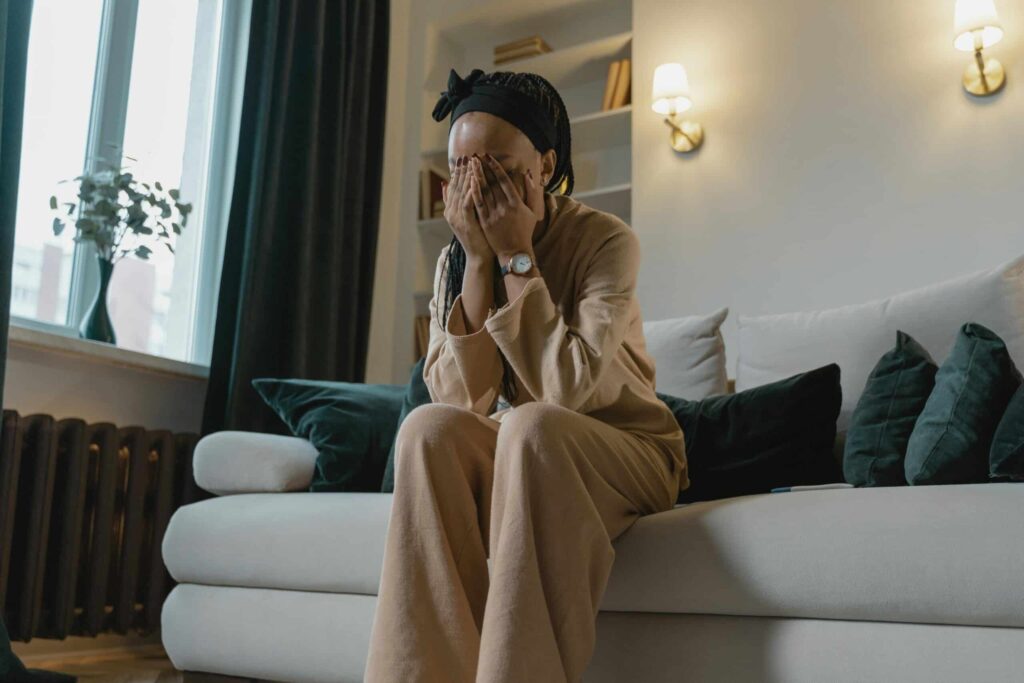
Ever catch yourself avoiding mirrors or feeling your confidence drop when you see marks from past breakouts? Acne scars affect far more than your skin - they impact your self-esteem, relationships, and daily life in ways that deserve both medical attention and emotional healing.
In this Article
Understanding Acne Scars: Addressing Both Physical Marks and Emotional Impact
What You Need to Know About Acne Scarring
Acne scarring affects approximately one in five people who experience acne breakouts, making it a widespread concern among both adolescents and adults. While these physical marks on the skin can fade over time, they often leave more than just visible traces—many people also struggle with the emotional aftermath of living with acne and its scarring.
This article explores both dimensions of acne scarring: the physical marks themselves and the psychological effects they can create. Understanding both aspects is essential for comprehensive healing and recovery.
The Science Behind Acne Scar Formation
Understanding how acne scars develop can help you make informed decisions about treatment and care.
Acne begins when your skin’s pores become blocked with a combination of bacteria, dead skin cells, and excess oil. These pores—tiny openings that normally release sweat and oil—swell when clogged, creating what we commonly call pimples or zits.
For many people, acne remains superficial. Dermatologists classify this as “minor acne,” which typically heals quickly with minimal risk of permanent scarring. However, when acne penetrates deeper into the skin, the pore walls can break down significantly. When this happens, infected material spills into surrounding tissue, causing more extensive damage beneath the skin’s surface.
Your body responds by attempting to repair this damage through collagen production. Think of collagen as your skin’s natural building material—it works to patch the damaged areas. Unfortunately, this repair process doesn’t always restore your skin to its original smooth texture. Sometimes the body produces too little collagen, leaving depressions in the skin. Other times, it produces too much, creating raised areas. The result is scar tissue that may appear as red or brown marks, dark spots, or textured areas, with appearance varying based on individual skin type and tone.
Identifying Different Scar Types
Acne scars generally fall into two main categories: raised scars (hypertrophic) and depressed scars (atrophic). Understanding which type you have can guide treatment decisions.
Raised Scars
Hypertrophic scars appear elevated above the surrounding skin surface. These commonly develop on areas like the jawline, shoulders, chest, and back. They may feel tender to the touch, cause itching, or even produce discomfort.
Depressed Scars
Atrophic scars create indentations in the skin and come in three distinct forms:
- Ice-pick scars create narrow, deep pits that resemble tiny craters. They most frequently appear on the forehead and upper cheeks where skin is naturally thinner.
- Boxcar scars form broader indentations with sharply defined edges, typically on the lower cheeks and jaw.
- Rolling scars have gentler, sloping edges that create a wave-like appearance across the skin, usually on the lower cheeks and jaw.
Post-Inflammatory Hyperpigmentation
You might also notice areas of discoloration as breakouts heal. This post-inflammatory hyperpigmentation is particularly common in people with darker skin tones. While often mistaken for scarring, these marks represent a different phenomenon and typically fade naturally within several months without intervention.
Treatment Approaches for Physical Scarring
Once your active acne has cleared, you may be left wondering how to address the scars. Some fade naturally over time, while others persist without treatment. The good news is that numerous treatment options exist, ranging from at-home approaches to professional medical procedures.
Important Considerations Before Treatment
Before pursuing scar treatment, ensure your active acne has completely resolved. For most people, acne peaks between ages 15 and 17 before gradually improving, though everyone’s experience differs. There’s no universal “best” treatment—different approaches work for different people based on skin type, skin tone, and scar characteristics.
Consulting a dermatologist before attempting any treatment is strongly recommended. They can evaluate your specific situation and recommend appropriate options. Establishing a consistent skincare routine to support overall skin health is also advisable before beginning targeted scar treatments.
At-Home Topical Treatments
Several topical treatments can be incorporated into your skincare routine under dermatological guidance:
Salicylic Acid
While commonly used for active breakouts, salicylic acid also helps address scarring by reducing redness and inflammation in affected areas.
Azelaic Acid
This gentler alternative works similarly to salicylic acid, making it suitable for people with sensitive skin who need both acne and scar treatment.
Retinoid Creams
Available as creams or gentle exfoliators, retinoids (including tretinoin) are particularly helpful for addressing hyperpigmentation in darker skin tones.
Alpha Hydroxy Acids (AHAs)
Treatments containing lactic acid or glycolic acid work by removing the skin’s outer layer, revealing smoother skin beneath.
Hyaluronic Acid
This moisturizing ingredient nourishes the skin while reducing both hyperpigmentation and scar visibility, particularly with consistent long-term use.
Natural Approaches
Some people explore home remedies including aloe vera gel, raw honey, shea butter, coconut oil, lemon juice, or baking soda. While popular, these options should be approached cautiously and ideally discussed with a dermatologist first.
Professional Medical Procedures
The following treatments require professional administration by licensed dermatologists or medical professionals. Never attempt these procedures at home.
Chemical Peels
Chemical peels involve applying specialized chemical solutions that remove the skin’s outer layer while stimulating new skin growth. The newly revealed skin typically appears smoother with reduced scarring.
Microdermabrasion
This procedure uses a specialized device that sprays fine crystalline particles onto the skin, removing the top layer to reveal the smoother skin underneath.
Dermabrasion
A more intensive version of microdermabrasion, dermabrasion is recommended for moderate to severe scarring. It involves surgical sanding or planing of the scarred skin areas.
Surgical Excision and Grafting
For more aggressive treatment, scars can be surgically removed and the surrounding skin stitched together. In some cases, skin grafts from behind the ear fill the treated area.
Microneedling
Also called skin needling, this treatment creates controlled micro-injuries with tiny needles, stimulating collagen production to encourage smoother new skin growth.
Laser and Light Therapy
Painless light beams target scarred areas. This treatment is often combined with other approaches, such as chemical peels, for enhanced results.
Laser Resurfacing
This procedure uses lasers to remove scarred surface layers, allowing healthier new skin to develop in their place.
Dermal Fillers
For depressed or atrophic scars, injectable fillers can be placed directly into the scar to create a smoother skin surface.
Subcision
During this procedure, a needle breaks apart the fibrous tissue bands forming acne scars, helping reduce their appearance.
The Emotional Dimension: Mental Health and Acne
While physical scars are visible, the emotional impact of acne often runs deeper and lasts longer than the breakouts themselves.
Understanding the Psychological Impact
Research consistently demonstrates that acne—particularly moderate to severe cases—can significantly affect self-esteem and even influence major life decisions. Studies show these effects are especially pronounced among teenage girls, though people of all ages and genders can experience psychological distress related to their skin.
The mental health consequences can be substantial. Fear of judgment, dissatisfaction with personal appearance, or experiences of bullying can lead people to:
- Avoid social gatherings and events
- Turn down job opportunities
- Withdraw from school or educational settings
- Experience symptoms of depression or anxiety
- Struggle with self-confidence in relationships
These aren’t superficial concerns—they represent genuine impacts on quality of life and personal development, particularly during formative adolescent years when identity and self-concept are developing.
Building Emotional Resilience
If you’re experiencing emotional challenges related to acne or scarring, several approaches can help:
Reframe Your Self-Perception
Intentionally focus on your talents, accomplishments, and positive qualities beyond physical appearance. Your worth extends far beyond your skin’s texture or appearance.
Connect With Others
Joining support groups—whether online communities or local meetings—can help you realize you’re not alone in your experiences. Sharing with others who understand can reduce feelings of isolation.
Prioritize Overall Wellness
Taking care of your body through balanced nutrition and regular physical activity benefits both physical and mental health. Exercise, in particular, has been shown to improve mood and reduce anxiety.
Practice Self-Compassion
Treat yourself with the same kindness you’d offer a friend facing similar challenges. Self-criticism often intensifies emotional distress, while self-compassion supports healing.
The Role of Professional Mental Health Support
Working with a therapist can provide significant benefits when dealing with the emotional effects of acne and scarring. A licensed clinical social worker can help you:
- Develop positive self-talk patterns
- Build genuine self-esteem based on your whole person
- Manage symptoms of depression or anxiety
- Process emotions in a safe, nonjudgmental space
- Develop coping strategies for social situations
At ReachLink, our licensed clinical social workers specialize in helping people navigate challenges related to self-esteem, body image, anxiety, and depression. Through secure video sessions, you can connect with a therapist from the comfort and privacy of your own space—eliminating concerns about being seen in a waiting room or traveling to appointments when you’re feeling self-conscious about your appearance.
Our therapists use evidence-based approaches tailored to your specific needs and circumstances. Whether you’re a teenager struggling with acne-related bullying or an adult dealing with long-term scarring and its emotional aftermath, professional support can make a meaningful difference in your healing journey.
Moving Forward: An Integrated Approach
Addressing acne scarring most effectively requires attention to both physical and emotional dimensions. While dermatological treatments can improve the appearance of scars, therapeutic support addresses the psychological impact that often persists even after physical healing.
Remember that healing isn’t linear—it takes time, patience, and often multiple approaches. Some days will feel more challenging than others, and that’s entirely normal. What matters is that you’re taking steps toward comprehensive healing that honors both your physical and emotional wellbeing.
If the emotional weight of acne or scarring is affecting your daily life, relationships, or sense of self, reaching out for professional support is a sign of strength, not weakness. Our licensed clinical social workers at ReachLink are here to support you through this journey, helping you develop resilience, self-acceptance, and the tools to thrive regardless of your skin’s appearance.
Your skin’s texture doesn’t define your worth, your potential, or your future. With the right combination of physical treatments and emotional support, you can move forward with confidence and peace.
FAQ
-
How do acne scars affect mental health and self-esteem?
Acne scars can significantly impact mental health by affecting self-image, confidence, and social interactions. Many people experience increased anxiety, depression, or social withdrawal due to concerns about their appearance. Research shows that visible skin conditions can lead to reduced quality of life and negative self-perception, making it important to address both the physical and emotional aspects of scarring.
-
What types of therapy are most effective for body image issues related to acne scarring?
Cognitive Behavioral Therapy (CBT) is particularly effective for addressing body dysmorphia and negative self-image related to acne scars. CBT helps identify and change distorted thought patterns about appearance. Acceptance and Commitment Therapy (ACT) can also be beneficial by teaching individuals to accept their appearance while focusing on values-based living. Dialectical Behavior Therapy (DBT) skills can help manage intense emotions and improve self-compassion.
-
When should someone seek professional therapy for acne scar-related emotional distress?
Consider seeking therapy if acne scars are causing persistent sadness, anxiety, or affecting daily functioning. Warning signs include avoiding social situations, excessive mirror checking or mirror avoidance, spending excessive time covering scars, experiencing relationship difficulties, or having thoughts of self-harm. Professional help is also beneficial if you find yourself constantly comparing your appearance to others or if the emotional impact interferes with work, school, or relationships.
-
How does therapy address the emotional impact of visible scarring?
Therapy addresses emotional scarring through multiple approaches. Therapists help clients challenge negative self-talk and unrealistic beauty standards, develop healthy coping mechanisms for social anxiety, and build self-worth beyond physical appearance. Treatment often includes exposure exercises to reduce avoidance behaviors, mindfulness techniques to manage distressing thoughts, and communication skills training to improve relationships and self-advocacy.
-
What coping strategies can help manage daily emotional challenges from acne scarring?
Effective daily coping strategies include practicing self-compassion by treating yourself with the same kindness you'd show a friend, challenging negative thoughts with evidence-based thinking, and focusing on personal strengths and accomplishments beyond appearance. Mindfulness meditation can help manage distressing thoughts about appearance, while engaging in meaningful activities and hobbies builds confidence and self-worth. Setting boundaries around appearance-focused conversations and limiting social media comparison can also protect mental health.
