Team Sports vs. Individual Sports: What Research Shows
Team sports vs individual sports research reveals team athletes experience nearly half the rates of anxiety and depression (7% versus 13%) primarily due to built-in social support networks that provide emotional buffering and shared accountability during competitive challenges.
Athletes in individual sports experience nearly double the rates of anxiety and depression compared to team sport participants. This striking difference reveals something important about how team sports vs individual sports shape our mental health, but the full story is more complex than these numbers suggest.
In this Article
How team sports support mental health
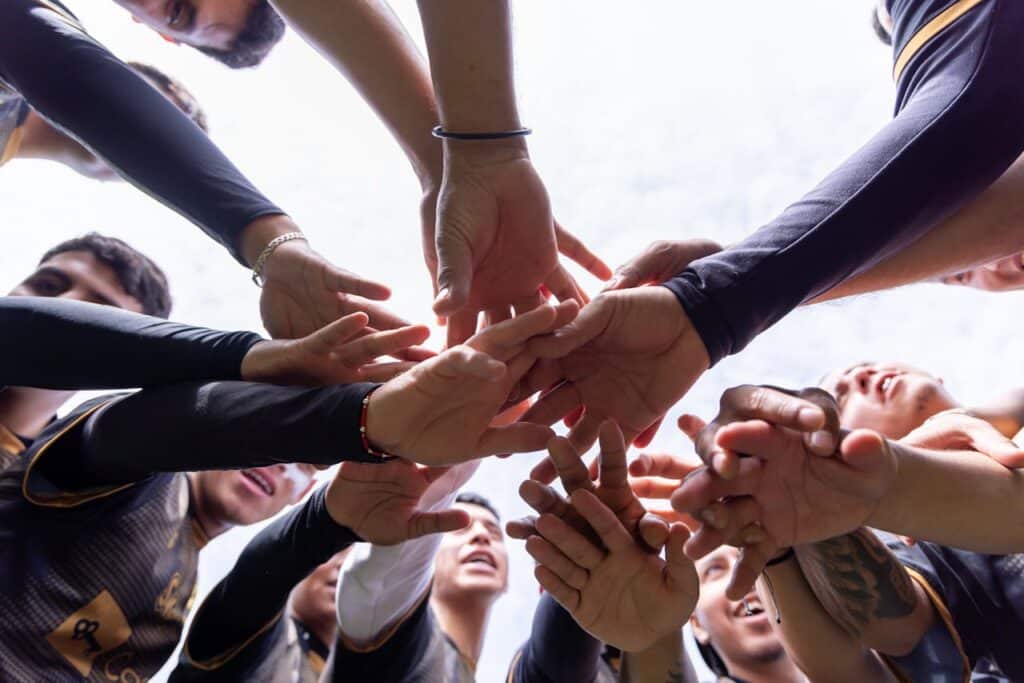
Team sports create a unique environment where mental health benefits emerge from the social fabric of shared experience. When you train alongside others, work toward common goals, and celebrate or process losses together, you’re building something that extends beyond physical fitness. The relationships formed on the field, court, or track become protective factors that can buffer against stress, anxiety, and isolation.
Built-in social support networks
One of the most powerful aspects of team sports is how naturally they create social connections. You don’t have to intentionally seek out support. It develops organically through shared practices, competitions, and the countless moments between official activities. These relationships often extend beyond the sport itself, creating a web of people who understand your experiences and challenges. When you’re struggling with stress or facing difficulties in other areas of life, these teammates often become the people you turn to first.
The consistency matters too. Regular practices and games mean regular contact with the same group of people, which allows deeper bonds to form over time.
Shared responsibility lightens the load
In team sports, outcomes depend on collective effort rather than individual performance alone. This distribution of responsibility can significantly reduce the pressure that might otherwise lead to excessive self-criticism or anxiety. When your team loses, you process that disappointment together rather than carrying it alone. When you make a mistake during a game, your teammates can step up to compensate.
This shared accountability teaches you that setbacks aren’t solely your burden to bear. It creates space for self-compassion and realistic thinking about performance, which are both important for maintaining good mental health.
Belonging as an emotional buffer
Research shows team sports enhance sense of belonging and social outcomes, creating group identity that becomes part of how you see yourself. When you know you’re part of something larger than yourself, it can provide stability when other areas of life feel uncertain.
This group identity also combats loneliness and isolation, which are significant risk factors for depression and anxiety. Having a place where you’re expected, where people notice if you’re absent, and where your participation matters creates structure and purpose that supports mental wellbeing.
Teammates as early warning systems
People who see you regularly in demanding situations often notice changes before you fully recognize them yourself. Teammates can spot when you’re withdrawing, struggling more than usual, or showing signs of distress. This informal monitoring system means you’re less likely to slip through the cracks when facing mental health challenges.
Mental health challenges in individual sports
When you compete alone, every win and every loss lands squarely on your shoulders. This solo attribution creates a psychological environment where self-criticism can flourish unchecked. A tennis player who double-faults at match point has no teammate to share the weight of that moment. A gymnast who falls from the beam can’t distribute the disappointment across a roster.
This pattern of taking full responsibility for outcomes often intensifies low self-esteem and harsh internal dialogue. You might find yourself replaying mistakes for hours, dissecting every technical flaw without the buffer of shared accountability. Research shows that athletes in individual sports report higher rates of negative self-talk compared to their team sport counterparts, particularly after poor performances.
Training isolation compounds these mental health risks. Even with a dedicated coach present, swimmers spend hours staring at pool tiles, runners log miles on solitary routes, and figure skaters practice the same jump sequence in relative silence. This physical isolation during training can translate into emotional loneliness.
Perfectionism takes on a different intensity when there’s no team to absorb your errors. In basketball, a missed shot becomes one possession among many shared attempts. In archery, that same miss is entirely yours to carry. This amplified personal responsibility can fuel an exhausting cycle of never feeling good enough, even when objective performance improves.
Your identity can become dangerously fused with performance outcomes when you compete individually. Without teammates who know you beyond your athletic role, it’s easy to conflate your worth as a person with your results as an athlete. This tight fusion makes losses feel like personal failures rather than simply competitive outcomes. Athletes in individual sports also face recovery decisions without built-in team structure, which can lead to overtraining, inadequate rest, and elevated anxiety about falling behind competitors.
The evidence: Research comparing team vs. individual sports
When you look at the research comparing team and individual sports, a clear pattern emerges. But like most things in mental health, the picture is more complicated than headlines suggest.
Key studies and their findings
One of the most comprehensive studies examined mental health data from 11,235 children and found that team sport athletes reported fewer mental health difficulties compared to those who played individual sports. The difference wasn’t subtle. Research indicates approximately 13% anxiety and depression rates in people who play individual sports versus 7% in team sport athletes, nearly double the rate.
Other studies have found similar trends. Athletes in team settings consistently report higher levels of social support, which correlates with better mental health outcomes. They also tend to show lower rates of burnout and performance anxiety. The social buffer that comes from being part of a team appears to offer real protection against some of the psychological pressures that come with competitive athletics.
These findings don’t mean individual sports are bad for mental health. Many studies also show that any regular physical activity, regardless of whether it’s team-based or solo, provides significant mental health benefits compared to being sedentary.
Understanding the limitations of current research
Most studies comparing team and individual sports are observational, meaning they track people over time but don’t randomly assign them to different sports. This creates a fundamental problem: correlation does not prove causation. When researchers find that team sport athletes have lower anxiety rates, they can’t definitively say the team environment caused that difference.
Self-selection bias is a major concern. People who are naturally more social or less anxious might gravitate toward team sports in the first place. Someone who prefers solitude or feels uncomfortable in group settings might choose running or swimming. The sport didn’t necessarily create these traits; it may have simply attracted people who already had them.
Research quality also varies significantly across studies. Some use validated mental health assessments, while others rely on single-question surveys. Sample sizes range from dozens to thousands. Some focus on elite athletes, others on recreational participants. These differences make it difficult to draw universal conclusions.
What the evidence cannot tell us
The current research can’t tell you which type of sport will be better for your mental health specifically. Competition level, training volume, and coaching quality may matter more than whether you’re on a team or competing solo. A supportive individual sport coach might provide more mental health benefit than a toxic team environment.
The evidence also doesn’t account for how these factors interact with your personality, existing mental health conditions, or life circumstances. A person experiencing social anxiety might find the pressure of team dynamics overwhelming, even if research suggests teams are generally beneficial. Someone else might thrive on that exact same social energy.
What the research does show is that the social elements of team sports appear to offer measurable mental health advantages on average. But averages don’t determine individual outcomes.
Social support as the key differentiating factor
When researchers dig into why team sports often show stronger mental health benefits, one factor rises above the rest: social support. It’s not the uniform, the shared locker room, or even the group celebrations. It’s the relationships that form when people work toward something together.
A systematic review found club-based and team sports provide benefits due to their social nature, highlighting that the social component drives much of the positive impact. Team sports create automatic opportunities for connection. You show up to practice, and your support network is already there. Individual athletes, on the other hand, need to build these connections deliberately, whether through training partners, coaches, or communities outside their sport.
Quality trumps quantity. Having 20 teammates doesn’t guarantee better mental health than training solo with two close friends. Research shows that individual athletes who cultivate strong support systems demonstrate mental health profiles remarkably similar to team athletes. The swimmer who trains alone but maintains meaningful relationships with coaches and fellow swimmers may fare better than the soccer player who feels isolated despite being surrounded by teammates.
This shifts the entire conversation. The real divide isn’t between team sports and individual sports. It’s between athletes who feel supported and those who feel isolated. An individual athlete struggling with social anxiety might find one-on-one coaching relationships less overwhelming than team dynamics, while still building the connections that protect mental health.
If you’re choosing between sport types for mental health reasons, ask yourself where you’ll find meaningful connection, not just whether there’s a team involved.
Sport-by-sport mental health risk profiles
Not all sports affect mental health the same way. The specific demands, culture, and structure of each sport create unique risk and protective factors that often matter more than whether you’re playing alone or with a team.
Higher-risk individual sports
Aesthetic sports like gymnastics, figure skating, and dance consistently show elevated rates of anxiety and eating disorders. These activities combine intense physical demands with subjective judging based on appearance and form. Athletes in these sports face pressure not just to perform well, but to look a certain way while doing it.
Weight-class sports like wrestling, boxing, and certain martial arts create different pressures. Athletes may engage in rapid weight cutting before competitions, leading to unhealthy relationships with food and body image. The cycle of restriction and rebound can persist long after competition ends.
Endurance individual sports like distance running and swimming show mixed patterns. Some people find the repetitive, meditative nature protective for mental health. Others experience obsessive training patterns, overtraining syndrome, or use exercise as a form of self-punishment. The same sport can serve as therapy for one person and fuel disordered patterns in another.
If you’re participating in aesthetic or weight-class sports and notice changes in how you think about food or your body, an eating disorder screening can help you assess whether you might benefit from support.
When team sports become harmful
Team sports lose their protective effects when social dynamics turn toxic. Being benched repeatedly, cut from rosters, or excluded from team social events can damage self-esteem more than never playing at all. The very mechanisms that make team sports beneficial, like social connection and belonging, become sources of pain when you’re on the outside.
Coaching style dramatically shapes whether team sports help or harm mental health. Authoritarian coaches who use shame, public humiliation, or conditional approval create environments where anxiety and depression flourish. Even in team settings, this kind of culture erodes the protective benefits of social connection.
Hazing, bullying, and excessive performance pressure can transform supportive team environments into harmful ones. When winning becomes the only measure of worth, athletes may hide injuries, push through pain, and sacrifice mental health for performance.
Context factors that override sport type
The level of competition often matters more than the sport itself. Recreational participation typically offers more mental health benefits than elite competition, regardless of whether it’s individual or team-based. The stakes, time commitment, and pressure increase dramatically at higher competitive levels.
Age and developmental stage shift the equation too. Youth sports carry risks around identity formation and self-worth that differ from adult recreational leagues. Adolescents who over-identify with athletic performance may struggle more when injuries or performance slumps occur.
The reason you’re playing shapes outcomes significantly. People who participate for enjoyment, social connection, or personal challenge typically experience more mental health benefits than those driven primarily by external pressure, scholarship hopes, or parental expectations. Your motivation acts as a filter that colors every aspect of the experience.
Building support structures for individual athletes: The ‘team of one’ framework
If you’re training solo, you don’t automatically have teammates checking in after a tough practice or celebrating your progress. But that doesn’t mean you have to navigate everything alone. Individual athletes can intentionally build the social support structures that team sport athletes receive by default.
The key is recognizing that support doesn’t happen accidentally. It requires the same strategic thinking you bring to your training plan.
Assembling your support team
Think of your mental health support network like a coaching staff, where different people fill specific roles. Your training partners provide day-to-day accountability and shared understanding of what you’re going through. A mental performance coach or psychotherapy professional can help you work through performance anxiety, perfectionism, or the psychological demands of competition. Trusted friends outside your sport offer perspective when training becomes all-consuming, reminding you of your identity beyond athletic performance.
Family members can serve as emotional anchors, though they may need guidance on how to support you effectively. Be specific about what helps: Do you need them to ask about training, or do you prefer they don’t bring it up? Would you rather they attend competitions or give you space? Clear communication prevents well-meaning support from adding pressure.
Creating accountability and connection systems
Team athletes have built-in accountability through scheduled practices and teammates who notice when something feels off. You can create similar structures by scheduling regular training sessions with partners, even if you’re technically competing individually. Commit to specific times and treat them as non-negotiable, the way you would a team practice.
Consider creating a small group chat with other individual sport athletes who understand your experience. Share training updates, frustrations, or wins throughout the week. This combats the isolation that comes from spending hours alone in the pool, on the track, or at the climbing gym. Even brief daily check-ins create connection without requiring significant time investment.
Block time for activities unrelated to your sport, whether that’s weekly dinners with friends or monthly outings with family. When training intensifies, these commitments ensure you maintain connections outside the narrow focus of competition preparation.
Mental health check-in protocols
Team athletes often participate in group debriefs where they process tough losses or discuss team dynamics. You can create your own version through weekly mental health check-ins. Set aside 15 minutes each week to honestly assess how you’re doing emotionally, not just physically.
Ask yourself specific questions: Am I enjoying training, or just going through the motions? Have I felt unusually irritable or withdrawn? Am I sleeping well? How’s my self-talk during difficult workouts? Writing down your responses helps you notice patterns over time, like recognizing that your mood consistently dips during high-volume training blocks.
Share these reflections with someone in your support network. This external input becomes especially valuable for decisions about recovery and rest. When you’re deep in training, it’s hard to distinguish between productive discomfort and genuine burnout. A trusted coach, friend, or family member can offer perspective you might miss on your own.
If you’re an individual sport athlete struggling with isolation or self-criticism, talking with a licensed therapist can help you develop personalized coping strategies. You can start with a free assessment at ReachLink with no commitment required.
When sport type matters most: Age and developmental stage
The team versus individual sport question doesn’t have a universal answer. Your age and developmental stage significantly influence which type of athletic participation offers the greatest mental health benefits.
Youth athletes build foundational skills
Children between ages 6 and 12 are actively forming their sense of identity and developing crucial social skills. Team sports may offer particular developmental advantages during this window. Kids learn to read social cues, navigate group dynamics, and understand their role within a larger system.
These early experiences create lasting effects. Research shows that early sport participation has lasting positive effects on self-esteem and happiness that extend well beyond the playing field.
Adolescents need belonging most
Teenagers face peak vulnerability for mental health concerns, making social belonging particularly critical. Adolescents aged 13 to 17 are navigating identity formation, peer relationships, and increasing academic pressure. Team sports can provide a ready-made social network during this turbulent period.
Individual sports aren’t inherently problematic for teens. The key factor is whether the sport environment offers supportive relationships, whether that’s through teammates or a community of fellow competitors.
Adults and college athletes face different pressures
College athletes experience intensified performance pressure regardless of whether they compete individually or on a team. The stakes feel higher, scholarships may be involved, and the time commitment increases dramatically.
Adult recreational athletes, on the other hand, often prioritize social connection over competition. Many find that team sports best fulfill this need for community and regular social interaction. A weekly soccer league or volleyball team provides structure, exercise, and friendship in one package.
One consideration across all ages: early specialization in individual sports may increase mental health risks compared to multi-sport participation. Athletes who play multiple sports tend to experience less burnout and maintain broader social connections.
Practical considerations for athletes, parents, and coaches
The research on team versus individual sports offers valuable insights, but the real question isn’t which type is better. What matters most is finding the right fit for each person and creating an environment where sport enhances mental health rather than undermining it.
For athletes choosing a sport
Your personality and preferences matter more than aggregate statistics about team versus individual sports. If you’re naturally introverted and find large group dynamics draining, the social intensity of team sports might create stress rather than relief. If you thrive on collaboration and struggle with isolation, individual sports could leave you feeling disconnected.
Consider what you need from sport beyond physical fitness. Are you looking for built-in social connection? Team sports might offer that more readily. Do you need space to process emotions independently and control your own schedule? Individual sports could be a better match. The mental health benefits come from engagement and consistency, which means choosing something you’ll actually want to continue doing.
For parents and coaches
The type of sport matters far less than the quality of the environment you create around it. A team sport with a toxic coach or hypercompetitive culture can be more harmful than helpful. An individual sport with a supportive coach who facilitates peer connections can provide both athletic development and social belonging.
Pay attention to coaching philosophy and team culture when selecting programs. Look for coaches who emphasize effort over outcomes, who teach coping skills alongside technique, and who notice when athletes are struggling. For coaches working with individual sport athletes, recognize your extra responsibility to create opportunities for social connection through group training sessions, group goal-setting, or social events that help athletes build relationships with peers.
Watch for signs that sport participation has shifted from beneficial to harmful. These include persistent anxiety before practices or competitions, withdrawal from other activities and relationships, significant mood changes, declining academic performance, or physical symptoms like sleep disruption and changes in appetite.
When to seek professional support
Sport can be a powerful tool for mental health, but it’s not a substitute for professional care when someone is genuinely struggling. Warning signs include talk of worthlessness or hopelessness, loss of interest in previously enjoyed activities (including the sport itself), significant changes in eating or sleeping patterns, social withdrawal, or any mention of self-harm.
If you or an athlete you care about is showing signs of persistent anxiety, depression, or burnout related to sport participation, professional support can make a significant difference. ReachLink offers free, confidential assessments to help you understand your options at your own pace.
For athletes in individual sports who want to build more social connection, group therapy can provide a space to share experiences and develop relationships with others facing similar challenges. Sport should add to your life, providing physical activity, skill development, and emotional benefits, without consuming your identity or wellbeing.
Finding the right fit for your mental health
The evidence suggests team sports offer measurable advantages through built-in social support, but that doesn’t mean individual sports are inherently harmful. What matters most is whether you feel connected, supported, and able to maintain a healthy relationship with competition. The sport that helps your mental health is the one where you find meaning, build relationships, and feel like yourself—not just an athlete.
If you’re struggling with anxiety, perfectionism, or identity issues related to sport participation, professional support can help you develop healthier patterns. ReachLink offers free, confidential assessments to help you understand your options without any pressure or commitment. You can also access support on the go through the ReachLink app on iOS or Android.
FAQ
-
Do team sports really affect your mental health differently than individual sports?
Yes, research shows significant differences in how team and individual sports impact mental health. Team sports typically provide more social connection and built-in support systems, which can reduce feelings of isolation and improve mood. Individual sports, however, often build greater self-reliance and personal accountability, though they may increase pressure and loneliness for some people. The key is understanding which environment naturally supports your mental wellbeing and personal growth style.
-
Can therapy help if I'm struggling with sports-related anxiety or depression?
Absolutely, therapy is highly effective for sports-related mental health challenges. Licensed therapists use evidence-based approaches like CBT and DBT to help athletes process performance pressure, team dynamics, identity issues, and transitions out of sports. Many athletes find that therapy provides a safe space to explore how their relationship with sports affects their overall mental health. Working with a therapist can help you develop healthier coping strategies and build confidence both in and outside of athletic settings.
-
How do I know if team sports or individual sports would be better for my mental health?
Consider your natural social preferences and how you handle pressure. If you thrive on connection, enjoy shared goals, and feel energized by group dynamics, team sports often provide better mental health benefits through built-in social support. If you prefer controlling your own pace, work better independently, or find group settings stressful, individual sports might suit you better. Pay attention to how different athletic environments make you feel, and remember that your needs may change over time based on life circumstances.
-
I think sports are affecting my mental health but I don't know where to start getting help
Taking the first step to seek support shows real self-awareness and strength. ReachLink connects you with licensed therapists who understand the unique mental health challenges that athletes face, from performance anxiety to identity transitions. Our human care coordinators take time to understand your specific situation and match you with a therapist who fits your needs, rather than using an algorithm. You can start with a free assessment to explore your concerns and learn how therapy might help you develop a healthier relationship with sports and competition.
-
What if I played team sports my whole life but now I'm isolated and struggling?
This is incredibly common, especially for former team sport athletes who suddenly lose their built-in social structure after graduation or retirement. The transition from constant social connection to isolation can trigger depression and identity confusion for many athletes. Therapy can help you process this major life change, develop new social connections, and rediscover your identity beyond sports. Many people find that understanding their athletic background helps them recognize what social and achievement needs they want to fulfill in their post-sports life.
