Dental Anxiety: The Silent Costs of Avoidance
Dental anxiety affects 36% of people and creates escalating physical, financial, and mental health consequences when left untreated, but evidence-based therapeutic interventions including cognitive behavioral therapy and exposure techniques effectively help individuals overcome avoidance patterns and restore both oral and psychological wellness.
What if skipping that dentist appointment isn't protecting you from fear, but actually making everything worse? Dental anxiety affects millions, yet the physical, financial, and emotional damage of avoidance often far exceeds the discomfort of facing your fear head-on.
In this Article
What is dental anxiety?
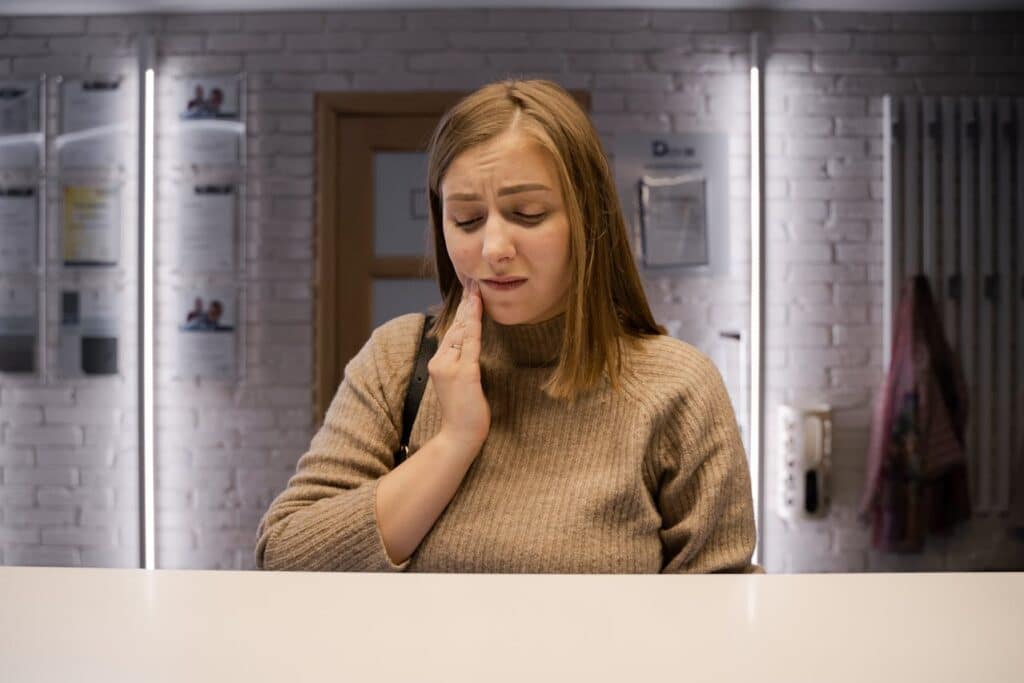
Dental anxiety is significant stress or fear related to dental visits that can range from mild unease to severe distress. If you feel your heart race before an appointment, avoid scheduling cleanings, or feel a knot in your stomach when you think about the dentist’s office, you’re experiencing dental anxiety. It’s more than just disliking the dentist. It’s a level of fear that affects your ability to seek and receive dental care comfortably.
The experience exists on a spectrum. Some people feel butterflies in their stomach but still make it to their appointments. Others postpone cleanings for months or even years. At the most severe end, the mere thought of dental work can trigger intense physical reactions like sweating, nausea, or difficulty breathing.
Dental anxiety is incredibly common. Research indicates that approximately 36% of people experience some level of dental anxiety, with around 12% experiencing severe dental phobia. You’re far from alone if you feel this way.
How dental anxiety differs from dental phobia
While the terms are often used interchangeably, there is an important clinical distinction. Dental anxiety describes manageable fear that you can push through with effort. You might feel uncomfortable, grip the armrests, or need breaks during procedures, but you can still attend appointments.
Dental phobia is a specific phobia that meets DSM-5 diagnostic criteria. People with dental phobia experience intense, irrational fear that leads to active avoidance behavior. The fear is persistent, typically lasting six months or longer, and causes significant distress or impairment in daily functioning. Someone with dental phobia might experience panic attacks at the thought of dental care or go years, sometimes decades, without seeing a dentist despite knowing they need treatment.
Mild anxiety allows you to attend appointments despite discomfort. Moderate anxiety causes you to postpone or reschedule regularly. Severe anxiety leads to years of avoidance and mounting dental problems. Phobia may prevent you from even making an appointment or cause you to flee the waiting room before your name is called.
Understanding where you fall on this spectrum matters because it helps you recognize the severity of what you’re experiencing and seek appropriate support.
What causes dental anxiety and who is most at risk
Dental anxiety doesn’t appear out of nowhere. It develops through specific experiences and circumstances that make the dental chair feel threatening instead of helpful. Understanding where your fear comes from can reduce the shame you might feel about avoiding care.
When past experiences create lasting fear
Painful dental procedures, especially during childhood, rank among the most common causes of dental anxiety. Research identifies three distinct origins of dental anxiety, with traumatic past experiences playing a central role. Maybe you had a dentist who dismissed your pain or rushed through a procedure without adequate numbing. Perhaps you experienced childhood trauma in the dental chair, feeling powerless and unheard when you needed help most.
These trauma-related conditions can create lasting anxiety responses that your brain activates every time you think about scheduling an appointment. The loss of control you feel while lying back with your mouth open, unable to speak or move freely, can trigger intense vulnerability for people with past traumatic experiences.
Learning fear from others and your environment
Systematic reviews of dental fear show that vicarious learning plays a significant role in how anxiety develops. If your parents expressed fear about dental visits or you heard frightening stories from family members, you may have absorbed those fears before ever sitting in a dental chair yourself. Media portrayals of dentistry as painful or scary reinforce these learned fears. Even well-meaning warnings from friends about uncomfortable procedures can plant seeds of anxiety.
Sensory overload and physical triggers
The dental environment itself creates anxiety for many people. The high-pitched whine of the drill, the clinical smell of disinfectant, the sight of needles and sharp instruments. These sensory triggers can provoke immediate anxiety responses. Some people struggle with the physical sensations: the numbness that spreads through your face, the gagging reflex when instruments touch the back of your mouth, or the feeling of being trapped in the reclined chair.
Who faces higher risk
Certain mental health conditions increase vulnerability to dental anxiety. People experiencing generalized anxiety disorder, PTSD, panic disorder, or claustrophobia often find dental visits particularly challenging. The confined space, loss of control, and sensory intensity can trigger symptoms related to these conditions.
There’s also a difficult irony: people who have avoided dental care for years often fear judgment from dental professionals, creating an additional barrier that keeps them away even longer. This shame spiral makes the anxiety worse, not better.
Signs and symptoms of dental anxiety
Dental anxiety shows up differently for everyone, but recognizing the patterns can help you understand what you’re experiencing. Some people notice physical reactions, while others struggle more with emotional or mental symptoms. Many people experience a combination of all three.
Physical symptoms you might notice
Your body often signals anxiety before your mind fully registers it. You might feel your heart racing as you pull into the parking lot or sit in the waiting room. Sweating, trembling hands, and muscle tension are common responses, especially in your jaw and shoulders. Some people experience nausea or stomach discomfort that starts hours before an appointment. You might notice difficulty breathing or feel like you can’t take a full breath. Feeling faint or lightheaded during or before procedures is another way dental anxiety manifests physically.
Emotional and mental responses
The emotional weight of dental anxiety can feel overwhelming. You might experience intense dread for days or even weeks before a scheduled appointment. During procedures, that dread can escalate into full panic, even during routine cleanings. Catastrophic thinking takes over, where your mind jumps to worst-case scenarios about pain or complications. You might find it hard to concentrate at work or home when you know a dental visit is coming up.
Behavioral patterns that signal avoidance
How you act around dental care reveals a lot about your anxiety level. You might repeatedly cancel or reschedule appointments, sometimes multiple times for the same visit. Many people only seek dental care during emergencies when pain becomes unbearable. Needing someone to accompany you to appointments, even as an adult, is a common sign. Difficulty sleeping the night before a dental visit can leave you exhausted before you even arrive.
How dental anxiety damages your oral health
When you skip a dental appointment because of fear, you’re not just postponing care. You’re setting off a chain reaction that makes everything worse. Dental anxiety significantly impacts oral health-care attendance, creating a cycle that’s hard to break: anxiety leads to avoidance, avoidance allows problems to worsen, and worsening problems create more anxiety and shame about the state of your teeth.
The financial and physical costs escalate quickly. A small cavity that causes mild discomfort might cost $150 to $400 to fill during a routine visit. Skip that appointment, and the decay spreads deeper into the tooth, eventually requiring a root canal that runs $700 to $1,500. Wait even longer, and the tooth may need extraction and replacement with an implant costing $3,000 to $6,000. What started as a simple fix becomes a major procedure.
Gum disease follows a similar pattern of progression. Gingivitis, the early stage, causes bleeding and swollen gums but remains completely reversible with a professional cleaning and improved home care. Left untreated, it advances to periodontitis, where the infection destroys the bone supporting your teeth. At this stage, you’re facing bone loss, loose teeth, and potential tooth loss that can’t be undone.
People who avoid dental care because of anxiety end up with measurably worse outcomes. They have more missing teeth, more untreated decay, and higher rates of oral disease compared to those who attend regular appointments. The fear of a simple cleaning can lead to needing oral surgery, and your mouth doesn’t pause while you wait to feel ready.
How dental health affects your whole body
Your mouth isn’t separate from the rest of your body. When dental anxiety keeps you away from the dentist, the resulting oral health problems don’t stay confined to your teeth and gums. They create a cascade of effects that can compromise your cardiovascular system, metabolic health, and even brain function.
Cardiovascular disease and stroke risk
The bacteria from gum disease don’t just stay in your mouth. They enter your bloodstream through inflamed gum tissue, traveling throughout your body and contributing to the formation of arterial plaque. Research shows oral bacteria and inflammation can affect systemic health, with periodontitis associated with approximately 20% increased risk of cardiovascular disease. Studies also show that people with severe periodontal disease face about 30% higher stroke risk compared to those with healthy gums, because the same inflammatory processes that damage your gums can affect blood vessels throughout your body.
Diabetes and blood sugar control
If you have diabetes, untreated gum disease makes managing your blood sugar significantly harder. The relationship works both ways: gum disease makes blood sugar levels more difficult to control, while elevated blood sugar creates conditions that allow gum disease to progress more rapidly. This bidirectional connection means that avoiding dental care can directly undermine your diabetes management.
Pregnancy outcomes and respiratory health
Pregnant women with severe gum disease face heightened risks that extend to their babies. Research has linked serious periodontal disease to increased risk of preterm birth and low birth weight, with some studies suggesting the risk may be up to seven times higher. The inflammatory chemicals produced by infected gums can trigger early labor or restrict fetal growth.
Oral bacteria also pose risks to your lungs. When you breathe, small amounts of oral bacteria can be aspirated into your respiratory system. In people with poor oral health, this increases the risk of pneumonia and other respiratory infections, particularly in older adults.
The emerging brain-mouth connection
Scientists are uncovering troubling links between chronic oral infections and cognitive decline. The persistent inflammation from untreated gum disease creates a body-wide inflammatory state that may contribute to conditions like dementia. While research is still developing, some studies indicate that people with chronic periodontal disease show significantly elevated risk of cognitive problems later in life.
The chronic stress and anxiety of avoiding dental care not only perpetuates oral disease but may also contribute to inflammation that affects cognitive function over time. When you skip dental appointments because of fear, you’re potentially affecting systems throughout your entire body.
The mental and emotional toll of dental avoidance
When you avoid the dentist because of fear, the psychological burden often becomes heavier than the physical problems themselves. What starts as anxiety about an appointment can transform into a cycle of shame, isolation, and diminishing self-worth that touches nearly every part of your life.
The weight of shame and self-criticism
Many people with dental anxiety experience intense embarrassment about the condition of their teeth. Self-criticism creates a painful loop: the shame makes you avoid dental care, which worsens your oral health, which deepens the shame. Research shows dental phobia is associated with significant shame and reduced quality of life, affecting far more than just your teeth. The harsh internal dialogue can be relentless, even though dental anxiety is a recognized condition that affects millions of people.
Social withdrawal and hiding
Visible dental problems, or the fear of them being noticed, can lead you to withdraw from social situations. You might cover your mouth when you laugh, avoid smiling in photos, or decline invitations to events where eating or close conversation is involved. Some people report reduced intimacy in relationships because they’re self-conscious about their breath or the appearance of their teeth. This withdrawal increases isolation and reduces the social connections that support mental health.
The constant background hum of anxiety
Even when you’re not thinking directly about your teeth, there’s often a persistent low-grade stress knowing that problems are likely getting worse. This chronic anxiety drains your mental energy and makes it harder to focus on work, relationships, or activities you once enjoyed. Dental anxiety significantly reduces oral health-related quality of life, affecting your overall wellbeing in measurable ways.
Impact on confidence and self-esteem
Dental problems, whether real or feared, can significantly affect how you present yourself professionally and personally. You might avoid job interviews, public speaking, or dating because you’re worried about how your teeth look. This avoidance can limit career opportunities and personal relationships, contributing to low self-esteem that extends well beyond dental health.
Secondary mental health effects
Dental avoidance doesn’t exist in isolation. Research shows correlations between severe dental anxiety and increased rates of depression and anxiety disorders. The stress of managing fear, shame, and declining oral health can trigger or worsen other mental health conditions, creating overlapping challenges that feel overwhelming. Many people with dental anxiety believe they’re the only ones struggling this way, which prevents them from seeking support and makes the burden feel even heavier. In reality, dental anxiety is remarkably common, and most people would respond with understanding rather than judgment.
If dental anxiety has affected your mental health or daily life, speaking with a therapist can help you work through both the fear and its emotional aftermath. You can start with a free assessment at ReachLink to explore support options at your own pace.
The hidden financial cost of dental avoidance
The financial burden of avoiding the dentist compounds dramatically over time. What starts as putting off a routine appointment can snowball into expenses that dwarf the cost of preventive care.
When prevention becomes costly
Regular preventive care costs between $300 and $600 per year for cleanings and checkups. A single cleaning typically runs $100 to $200, and a basic filling costs $150 to $400. These are manageable expenses that prevent bigger problems. When you skip these appointments, small cavities grow into infections that require root canals ($700 to $1,500) and crowns ($1,000 to $3,000).
The escalating cost of moderate avoidance
If you avoid dental care for three to five years, you’re likely facing multiple fillings, at least one root canal, and possibly a crown. The total dental bill typically ranges from $4,000 to $8,000, more than double what you would have spent on prevention during the same period. Many dental insurance plans have annual maximums between $1,000 and $2,000, which barely covers one major procedure, leaving the rest as out-of-pocket costs.
When avoidance becomes catastrophic
Severe dental avoidance over 10 or more years leads to extractions, bridges or implants, and periodontal treatment. A single dental implant costs $3,000 to $6,000. Full dentures run $1,000 to $3,000, though higher-quality versions cost much more. Total treatment in these cases often exceeds $15,000 to $30,000. These figures don’t include time off work for multiple appointments, pain medication, or emergency room visits for dental pain, which can cost hundreds or thousands of dollars even though emergency rooms can’t treat the underlying dental problem.
Your first dental appointment after years away
Returning to the dentist after a long absence takes courage. You might feel embarrassed about the condition of your teeth or anxious about what the dentist will say. Thousands of people walk into dental offices every day after years away, and most find the experience far less frightening than they imagined. The key to a successful return is choosing the right practice and preparing yourself mentally for what to expect.
Choosing an anxiety-friendly dentist
Not all dental practices are equally equipped to work with patients experiencing anxiety. Start your search by looking for practices that specifically advertise anxiety-friendly or gentle dental care. These offices typically offer accommodations like sedation options, calming office environments, and staff trained in working with nervous patients.
Read online reviews with a specific focus. Look for mentions of how the practice treats anxious or fearful patients. You can also ask friends or family members who experience dental anxiety for recommendations, as personal referrals from people who understand your concerns can lead you to practitioners who truly specialize in compassionate care.
Making the phone call
The phone call to schedule your appointment might feel like the hardest part. A simple, honest statement works best. Try something like: “I’d like to schedule an appointment. It’s been several years since my last visit, and I’m nervous about dental work. Does the practice have experience working with anxious patients?” Ask directly about available accommodations, such as longer appointment times, sedation options, or the ability to use headphones during treatment. If the receptionist seems dismissive of your concerns, thank them and call another office. The right practice will respond with understanding and concrete solutions.
What to expect at your first visit back
Your first appointment after a long absence will typically focus on assessment rather than treatment. Most dentists prefer to do a thorough examination, take necessary x-rays, and discuss your concerns before performing any major procedures. The dentist will likely ask about your dental history and why you’ve been away. A straightforward answer works fine: “I’ve struggled with dental anxiety” or “I had a bad experience years ago and avoided coming back.” Most dentists have heard this countless times and respond with understanding rather than judgment.
Bring comfort items if they help you feel calmer. A stress ball, headphones with relaxing music, or sunglasses to block bright overhead lights are all reasonable requests. You can also ask a trusted friend or family member to come with you for moral support.
Building a treatment plan you can handle
After your examination, the dentist will discuss what work you need. If the list feels overwhelming, remember that you have options. Unless you have a dental emergency, you can spread treatment over multiple visits. Ask the dentist to prioritize the work, and consider starting with less invasive procedures like cleanings or simple fillings to build confidence before tackling more complex work.
You have the right to proceed at your own pace. You can request breaks during procedures, ask questions at any point, and ask the dentist to stop if something becomes too much. Plan something pleasant for after your appointment, as having something to look forward to can make the experience feel less daunting.
Evidence-based strategies for managing dental anxiety
You don’t have to white-knuckle your way through dental appointments. A range of proven strategies exists, from techniques you can practice at home to professional interventions that address the root of your fear. The right approach depends on the severity of your anxiety and what’s driving it.
Self-help techniques and coping strategies
Simple breathing exercises can significantly reduce anxiety before and during dental visits. Try the 4-7-8 technique: breathe in for four counts, hold for seven, and exhale for eight. This activates your parasympathetic nervous system, which counteracts the fight-or-flight response. Progressive muscle relaxation, where you tense and release different muscle groups starting with your toes and working up to your jaw, can also help.
Grounding techniques, like naming five things you can see or focusing on physical sensations in your hands, pull attention away from anxious thoughts. Distraction methods work well too. Listening to music, podcasts, or audiobooks during your appointment gives your mind something else to focus on.
Communication with your dentist matters as much as any relaxation technique. Establish a hand signal that means “I need a break” before the appointment starts, and ask your dentist to explain what they’re doing before each step. Knowing what to expect reduces the fear of the unknown.
Sedation options
Multiple sedation levels exist, each suited to different anxiety severities.
- Nitrous oxide (laughing gas) provides mild relaxation while keeping you fully conscious. It wears off within minutes after removal and suits many people with moderate anxiety.
- Oral sedation involves taking prescription medication about an hour before your appointment. You’ll feel drowsy and deeply relaxed, though you’ll remain awake. You’ll need someone to drive you home.
- IV sedation delivers medication directly into your bloodstream, creating a deeper level of sedation. Dentists typically reserve this for severe anxiety or lengthy procedures.
When therapy can help
Cognitive behavioral therapy is highly effective for dental phobia, with research showing significant anxiety reduction after just a few sessions. A therapist helps you identify catastrophic thinking patterns and replace them with more realistic thoughts. Gradual exposure, where you visit the dental office without receiving treatment and then progress to simple cleanings before more complex procedures, helps desensitize you to the experience.
Working with a licensed therapist can help you address the anxiety at its root, whether it stems from past trauma, generalized anxiety, or learned fear. ReachLink offers free initial assessments to help you find the right therapeutic approach with no commitment required.
Eye movement desensitization and reprocessing (EMDR) can be particularly helpful if your dental fear stems from a traumatic experience. This therapy helps your brain reprocess the memory so it no longer triggers such intense fear. Mindfulness techniques complement these therapeutic approaches by teaching you to observe anxious thoughts without getting swept up in them.
The key is matching the intervention to your anxiety level. Mild nervousness might only need breathing exercises and good communication with your dentist. Moderate anxiety often benefits from sedation combined with coping strategies. Severe phobia typically requires professional therapy to create lasting change.
Taking the first step toward breaking the cycle
Dental anxiety affects millions of people, and it doesn’t reflect weakness or failure. It’s a real psychological response that developed for real reasons, whether from past trauma, sensory sensitivities, or other underlying factors. The good news is that it’s also highly treatable.
Progress doesn’t have to mean booking an appointment tomorrow. Small steps count. Researching dentists who specialize in anxious patients is progress. Talking to someone about your fear is progress. Each action, no matter how small, moves you closer to breaking the cycle.
Many people with severe dental phobia have successfully returned to regular dental care, rebuilt their oral health, and freed themselves from years of worry. What made the difference wasn’t being fearless. It was deciding that the cost of continued avoidance outweighed the discomfort of facing their fear. Starting now is always the right choice, regardless of your current oral health status. Both your dental anxiety and any underlying mental health factors can be addressed, and you don’t have to solve everything at once.
You don’t have to face dental anxiety alone
Dental anxiety is treatable, and the path forward doesn’t require you to be fearless. It requires only that you take one small step at a time. Whether that means researching anxiety-friendly dentists, practicing breathing techniques, or addressing the underlying fear with professional support, each action moves you closer to breaking the cycle. The physical, financial, and emotional costs of continued avoidance will only grow, but the relief that comes from facing this fear can transform not just your oral health, but your overall quality of life.
If dental anxiety is connected to deeper anxiety, past trauma, or other mental health concerns, addressing those root causes can make dental care feel far more manageable. ReachLink’s free assessment can help you understand what’s driving your fear and connect you with a licensed therapist who specializes in anxiety treatment. There’s no pressure and no commitment—just support when you’re ready to take that first step.
FAQ
-
How do I know if what I'm feeling about going to the dentist is actually dental anxiety?
Dental anxiety goes beyond normal nervousness and involves intense fear, physical symptoms like rapid heartbeat or sweating, and often leads to avoiding or delaying dental appointments altogether. You might experience panic attacks, sleep problems before appointments, or feel overwhelmed just thinking about dental procedures. Unlike typical pre-appointment jitters, dental anxiety significantly interferes with your ability to receive necessary dental care. If you find yourself canceling appointments, avoiding routine cleanings, or feeling distressed for days before a dental visit, you're likely experiencing dental anxiety rather than normal concern.
-
Can therapy really help me get over my fear of the dentist?
Yes, therapy is highly effective for treating dental anxiety, with cognitive behavioral therapy (CBT) showing particularly strong results in helping people overcome dental fears. Therapists use evidence-based techniques like gradual exposure therapy, relaxation training, and cognitive restructuring to help you process and manage your anxiety responses. Many people see significant improvement within just a few therapy sessions, learning practical coping strategies they can use before and during dental appointments. The goal isn't to eliminate all nervousness, but to reduce your anxiety to a manageable level so you can receive the dental care you need.
-
What are these 'silent costs' of avoiding dental care that everyone talks about?
The silent costs of dental avoidance include escalating physical health problems, mounting financial expenses, and significant mental health impacts that often go unrecognized. When you skip routine cleanings and checkups, small issues become major problems requiring expensive emergency treatments, root canals, or extractions instead of simple fillings. Beyond the financial burden, dental avoidance creates a cycle of shame, guilt, and increasing anxiety that can affect your self-esteem, social interactions, and overall mental health. Many people don't realize how much mental energy they spend worrying about their teeth or avoiding situations where others might notice their dental problems.
-
I'm finally ready to deal with my dental anxiety - how do I find the right therapist to help me?
Finding the right therapist for dental anxiety starts with looking for licensed professionals who specialize in anxiety disorders and have experience with specific phobias. ReachLink connects you with licensed therapists through human care coordinators who take time to understand your specific needs and match you with the most suitable provider, rather than using impersonal algorithms. You can start with a free assessment to discuss your dental anxiety and treatment goals, which helps ensure you're paired with a therapist who has the right expertise and approach for your situation. The key is finding someone you feel comfortable with who uses evidence-based treatments like CBT or exposure therapy specifically for dental anxiety.
-
Is dental anxiety connected to other types of anxiety I might have?
Dental anxiety often coexists with other anxiety disorders, particularly generalized anxiety, panic disorder, or specific phobias related to medical settings or pain. Many people with dental anxiety also struggle with health anxiety, claustrophobia, or trauma responses that can be triggered by feeling vulnerable or out of control during medical procedures. Understanding these connections is important because treating the underlying anxiety patterns through therapy often helps with multiple anxiety areas simultaneously. A licensed therapist can help you identify these patterns and develop comprehensive coping strategies that address both your dental anxiety and any related anxiety symptoms you may be experiencing.
