Gut-Brain Anxiety: Why Your Stomach Feels Every Worry
Gut-brain anxiety occurs when the bidirectional communication network between your digestive system and brain creates physical symptoms like nausea, cramping, and stomach churning during stress, which therapeutic interventions including somatic therapy and cognitive behavioral techniques can effectively address.
Ever wonder why your stomach churns before every big meeting while your colleague seems completely calm? Gut-brain anxiety isn't weakness - it's your nervous system's sophisticated communication network in action, and understanding it changes everything about managing those physical symptoms.
In this Article
Understanding the gut-brain axis: why your stomach has its own nervous system
You’ve felt it before: the churning stomach before a difficult conversation, the sudden nausea when bad news arrives, the knot that tightens when stress builds. These sensations aren’t random. They’re the result of a sophisticated communication network between your brain and your digestive system, and understanding how it works can change how you relate to physical anxiety symptoms.
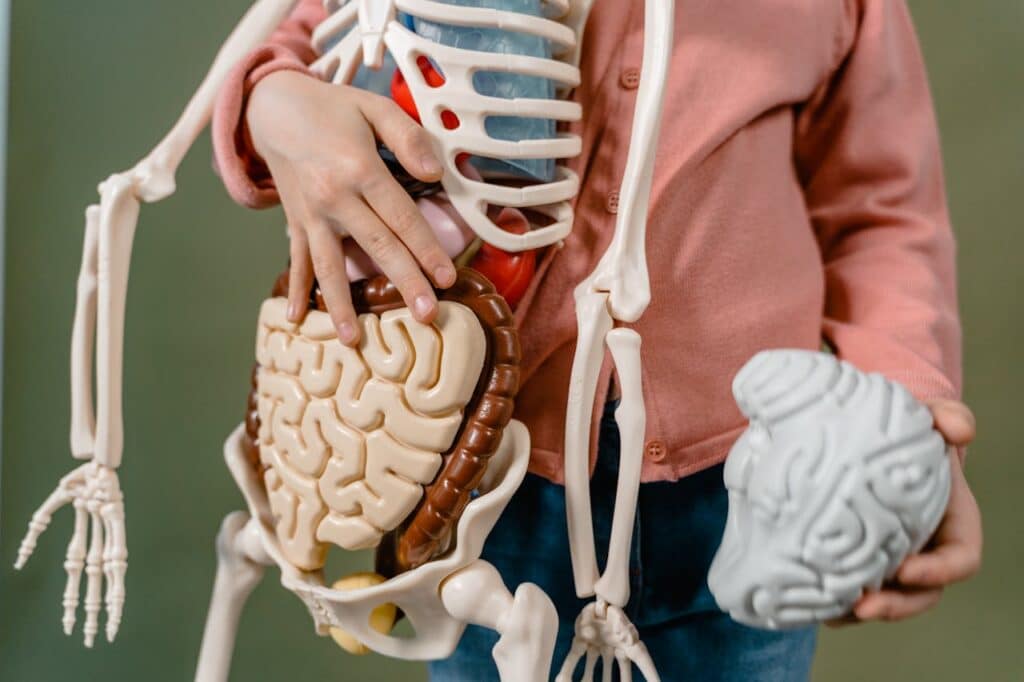
The gut-brain axis refers to the constant, bidirectional dialogue between your central nervous system and your gastrointestinal tract. Think of it as a two-way radio channel that never stops transmitting. Your brain sends signals down to your gut, and your gut sends signals right back up, each influencing the other in real time.
What makes this connection so powerful is the enteric nervous system, a complex network of approximately 500 million neurons embedded in the walls of your digestive tract. Scientists often call it your “second brain” because it can operate semi-independently from your actual brain. It manages digestion on its own, but it also responds directly to emotional states, which is why anxiety doesn’t just stay in your head.
The vagus nerve serves as the primary communication highway between these two systems. This long, wandering nerve runs from your brainstem down through your chest and into your abdomen, transmitting signals in both directions. When you feel anxious, your brain sends distress signals down the vagus nerve. Your gut receives those signals and reacts, often with the uncomfortable physical sensations you know too well.
Here’s something that surprises most people: roughly 90% of your body’s serotonin is produced in your gut, not your brain. Serotonin plays a major role in regulating mood and anxiety states. This means your digestive system isn’t just receiving emotional information, it’s actively participating in creating your emotional experience. When your gut is disrupted, your mood often follows. When anxiety spikes, your stomach feels it immediately.
This bidirectional relationship explains why you can’t simply think your way out of physical anxiety sensations. Your body is genuinely involved in the process.
Why you feel anxiety in your gut (when others don’t)
You’ve probably noticed that some people seem to breeze through stressful situations while your stomach ties itself in knots. This isn’t a matter of mental toughness or weakness. The difference often comes down to biology, life experiences, and how your nervous system learned to process the world around you.
Research shows that psychological functioning varies significantly from person to person, particularly in how the brain-gut axis operates. Several factors determine whether you’re someone who feels anxiety as a full-body experience or barely notices physical symptoms at all.
Your internal sensing system
Interoception is your brain’s ability to detect and interpret signals from inside your body, like hunger, heartbeat, or that familiar churning in your stomach. Think of it as an internal radar system. Some people have highly sensitive radar that picks up every blip and fluctuation. Others have a quieter system that only registers major signals.
If you have heightened interoceptive awareness, you’re naturally more attuned to subtle gut sensations during moments of stress. This means you might notice physical anxiety building before you even consciously recognize that something is bothering you. Your body becomes an early warning system, though sometimes an overly sensitive one.
How your history shapes your gut responses
Your past plays a powerful role in how your gut responds to stress today. Early life stress and trauma can permanently alter the communication pathways between your brain and digestive system. When the nervous system develops under chronic stress, it often becomes calibrated to expect danger, keeping your gut in a state of high alert.
Previous gastrointestinal illness can also sensitize your gut’s nervous system to emotional triggers. If you’ve dealt with food poisoning, IBS flares, or other digestive problems, your gut may have learned to react more intensely to stress hormones. Chronic stress creates a similar effect, essentially training your gut to be hypervigilant.
The role of genetics
Your DNA influences this equation too. Genetic variations affect vagal tone, which determines how efficiently your vagus nerve communicates between brain and gut. Some people inherit a nervous system that naturally calms down quickly after stress. Others have genetic patterns that make relaxation harder to achieve.
Genes also influence how much serotonin and other neurotransmitters your gut produces. Since roughly 95% of your body’s serotonin lives in your digestive tract, these variations can significantly impact how intensely you experience physical anxiety symptoms.
Is your gut causing anxiety, or is anxiety causing gut problems?
Understanding which direction your symptoms flow can change how you approach treatment. The connection between your gut and brain runs both ways, which means your stomach issues might be triggering anxious feelings, or your anxiety might be disrupting your digestion. For many people, it’s a mix of both.
Research on gastrointestinal and anxiety symptom relationships confirms this bidirectional communication is real and measurable. The challenge is figuring out what’s happening in your specific body. While only a healthcare provider can give you a definitive answer, paying attention to certain patterns can help you have a more informed conversation about your symptoms.
Signs your gut may be driving anxiety
Timing is one of your best clues. If you notice digestive discomfort, bloating, or nausea before anxious thoughts show up, your gut might be sending distress signals to your brain. This is especially true if you feel physically off without any obvious stressor in your life.
Food correlations matter too. Try tracking what you eat alongside your mood for a few weeks. If eliminating certain foods, like dairy, gluten, or high-sugar items, noticeably reduces your anxiety levels, gut health may be more relevant to your experience than you realized.
Research shows that gut microbiome composition differs in anxiety disorders, suggesting that the bacteria in your digestive system can directly influence your mental state. A family history of digestive conditions like IBS or inflammatory bowel disease can also indicate a genetic predisposition toward gut-driven symptoms.
Consider this simple test: do your gut symptoms persist even during calm, low-stress periods? If your stomach still acts up when life feels manageable, the problem may originate in your GI tract rather than your nervous system.
Signs anxiety may be driving gut symptoms
The reverse pattern looks different. If you notice that worry, stress, or panic consistently comes first, followed by digestive upset, your brain may be the primary driver. People with anxiety disorders often experience this sequence, where mental distress triggers physical symptoms in the gut.
Your treatment history offers valuable information here. If you’ve taken SSRIs or other anxiety medications and noticed your gut symptoms improved alongside your mood, that’s a strong signal that anxiety was the upstream cause. The medication addressed the source, and the digestive issues resolved as a downstream effect.
Another indicator: do your gut problems flare predictably around stressful events? Job interviews, difficult conversations, or periods of uncertainty that consistently trigger digestive symptoms point toward an anxiety-first pattern.
When it’s truly bidirectional
The reality many people face is that symptoms don’t always fit neatly into one category. You might have a sensitive digestive system that sends alarm signals to your brain, which then amplifies those signals with worry, which then further disrupts your gut. It becomes a self-reinforcing loop.
If you’ve tried addressing just one side of the equation without lasting success, bidirectional influence is likely at play. Maybe dietary changes helped somewhat but didn’t fully resolve your anxiety. Or perhaps therapy reduced your worry but your stomach issues lingered. These incomplete responses suggest both systems need attention.
An integrated treatment approach works best for truly bidirectional cases. This might mean combining gut-focused interventions, like dietary adjustments or probiotics, with anxiety-focused strategies like therapy or stress management techniques. Treating only half the loop often leaves you stuck in it.
The physical sensation decoder: what each gut feeling actually means
When anxiety shows up in your body, it’s not random. Each physical sensation has a specific cause rooted in how your nervous system responds to perceived threats. Understanding what’s happening inside you can make these feelings less alarming and help you respond more effectively.
Butterflies in your stomach
That fluttery, unsettled feeling is one of the most recognizable signs of nervousness. When your brain detects a stressor, it redirects blood away from your digestive system toward your muscles, preparing you to fight or flee. At the same time, adrenaline floods your system and stimulates the nerve endings throughout your gut, creating that classic fluttery sensation, which is actually your digestive tract responding to suddenly reduced blood flow and heightened nerve activity.
Nausea and queasiness
Feeling like you might be sick during anxious moments isn’t your imagination. Your vagus nerve, responding to stress signals, slows digestion dramatically and can even trigger reverse peristalsis, the muscle contractions that normally move food downward. Cortisol also irritates your stomach lining directly. Together, these responses create waves of nausea that can make eating seem impossible.
The pit in your stomach
That heavy, hollow sensation combines two factors: involuntary tension in your abdominal wall muscles and changes in gastric acid production. Your body is essentially bracing itself while your stomach chemistry shifts, creating a distinct weighted feeling that can linger even after the immediate stressor passes.
A lump in your throat
Known medically as globus sensation, this tightness happens when your sympathetic nervous system activates the cricopharyngeal muscle at the top of your esophagus. This muscle tenses up as part of your body’s stress response, making swallowing feel difficult even though nothing is physically blocking your throat.
Loss of appetite
When stress hormones flood your system, they actively suppress hunger signals. Your body also slows gastric emptying, meaning food sits in your stomach longer. From an evolutionary standpoint, this makes sense: digesting a meal isn’t a priority when your brain thinks you’re in danger.
Urgency and loose stools
Sudden bathroom urgency during anxiety comes from a parasympathetic surge that accelerates gut motility, pushing contents through faster than normal. Acute stress can also rapidly alter your gut microbiome, further disrupting normal digestive patterns. This explains why some people experience digestive urgency before presentations, interviews, or other high-stakes situations.
Stomach cramping
Sharp or dull cramps result from smooth muscle spasms in your intestinal walls. Your enteric nervous system, responding to stress signals from your brain, sends altered signals that cause these muscles to contract irregularly rather than in their normal rhythmic pattern.
Acid reflux during anxious moments
Anxiety can relax your lower esophageal sphincter, the muscular ring that normally keeps stomach acid where it belongs. Combine this with increased acid production triggered by stress hormones, and you get that burning sensation rising in your chest or throat. Many people mistake this for a heart problem, which can increase anxiety further.
What to do when anxiety hits your gut right now
When your stomach starts churning and nausea rises during an anxious moment, you need practical steps that work with your body’s physiology. This protocol targets the gut-brain connection directly, helping you move from panic to calm using techniques grounded in how your nervous system actually functions.
Minutes 0–2: Activate your calming nervous system
Your first priority is switching from sympathetic (fight-or-flight) to parasympathetic (rest-and-digest) mode. Start with 4-7-8 breathing: inhale through your nose for 4 counts, hold for 7 counts, exhale slowly through your mouth for 8 counts. The extended exhale signals safety to your vagus nerve, which then tells your gut to stop producing stress hormones.
While breathing, run cold water over your wrists or splash it on your face. This triggers the dive reflex, an automatic response that slows your heart rate and redirects blood flow away from your churning digestive system. Your body interprets the cold as a signal to conserve energy, which naturally dampens the anxiety response.
Minutes 2–5: Use vagal maneuvers to calm your gut
Now you’ll directly stimulate your vagus nerve, the main communication highway between your brain and digestive system. Try gentle humming or singing a low note. The vibration in your throat activates vagal fibers that run past your vocal cords, sending calming signals down to your stomach and intestines.
You can also massage the sides of your neck with slow, gentle pressure. The vagus nerve passes through this area, and light touch here can enhance parasympathetic activity. These maneuvers work because they’re essentially sending a “stand down” message directly to your gut through the same nerve pathway that triggered the symptoms.
Minutes 5–10: Optimize your body position
If nausea or cramping persists, your body position matters. Lying on your left side can reduce gastric pressure because of how your stomach is anatomically positioned. This posture helps prevent acid from moving upward and allows gas to pass more easily.
For cramping specifically, try drawing your knees gently toward your chest. This position relaxes the abdominal muscles and can relieve the tension that builds when your gut contracts during anxiety. Stay here while continuing slow, deep breaths.
Minutes 10 and beyond: Assess and adapt
If symptoms are improving, continue with the breathing techniques and comfortable positioning. Many people find that 10 to 15 minutes of consistent effort can fully resolve an acute episode.
If symptoms aren’t improving, shift to cognitive distraction: count backward from 100 by sevens, name objects you can see in alphabetical order, or call someone you trust. Sometimes breaking the attention loop on physical sensations allows your nervous system to reset.
When to seek medical attention
Not every gut symptom is anxiety-related. Seek medical care if you experience severe abdominal pain that doesn’t respond to these techniques, blood in your stool or vomit, fever accompanying your symptoms, or pain that radiates to your chest, jaw, or arm. Persistent symptoms that occur outside of anxious moments, or significant changes in your bowel habits lasting more than a few weeks, also warrant a conversation with your doctor.
Diet and gut-brain health: what actually helps (and what doesn’t)
When anxiety shows up in your gut, it’s natural to wonder if changing what you eat could help. The short answer is yes, but with some important caveats. Your dietary choices do influence the bacteria that communicate with your brain, though no single food is a magic fix.
Foods that support your gut-brain connection
Prebiotic fiber is one of the most research-backed ways to feed beneficial gut bacteria. Foods like garlic, onions, leeks, asparagus, and bananas provide fuel for microbes that produce neurotransmitters linked to calmer moods. Think of prebiotics as fertilizer for the good bacteria already living in your digestive system.
Fermented foods offer another evidence-based approach. Yogurt with live cultures, kefir, sauerkraut, kimchi, and kombucha introduce diverse bacteria to your gut. Research on prebiotics and probiotics suggests this microbiome diversity is associated with lower anxiety levels. You don’t need to overhaul your entire diet: even adding one serving of fermented food daily can make a difference over time.
What tends to make gut anxiety worse
Some foods and substances reliably trigger gut-brain distress for many people. Caffeine stimulates both your nervous system and your digestive tract, which can amplify physical anxiety symptoms. Alcohol disrupts gut bacteria balance and irritates the intestinal lining. Artificial sweeteners may alter microbiome composition in ways that affect mood regulation.
For people with sensitive digestive systems, high-FODMAP foods (certain fruits, dairy, wheat, and legumes) can trigger bloating and discomfort that intensifies anxiety. Studies on diet quality and the gut microbiome show that overall dietary patterns matter more than individual foods when it comes to managing anxiety through diet.
The timing factor most people overlook
When you eat matters almost as much as what you eat. Irregular meal patterns disrupt the rhythmic contractions of your digestive system, which can increase GI symptoms and the anxiety that accompanies them. Your gut operates on a schedule, and skipping meals or eating at widely varying times each day throws off that rhythm.
A word on elimination diets and supplements
Elimination diets can help identify your personal triggers, but keep them time-limited, typically two to six weeks, to avoid nutritional gaps. As for probiotic supplements, they show promise, but specific bacterial strains matter significantly. Research is still emerging on which strains help which symptoms, so work with a healthcare provider rather than guessing.
Treatment options for physical anxiety: why body-based approaches matter
When anxiety lives in your body as much as your mind, treatment needs to meet you where you actually feel it. The growing understanding of how the gut-brain axis influences mood and mental health has shifted how many therapists approach anxiety that shows up physically, meaning more options now exist for people whose symptoms are felt more than thought.
When talk therapy isn’t enough
Traditional CBT remains one of the most effective treatments for anxiety overall. It works by helping you identify and change the thought patterns that fuel anxious feelings. That said, if your anxiety starts in your gut before it ever becomes a worried thought, focusing only on cognition might miss a crucial piece of the puzzle.
For people with strong physical anxiety responses, the body-brain loop can operate faster than conscious thought. Your stomach clenches, your heart races, and your nervous system sounds the alarm before you’ve had a single anxious thought to challenge. This doesn’t mean CBT can’t help, but it does suggest that adding body-based approaches could make treatment more complete.
Somatic and body-based therapies
Somatic therapy for anxiety works directly with physical sensations rather than starting with thoughts. Somatic experiencing, developed by Dr. Peter Levine, helps people release stress that has become stored in the body. You learn to notice physical sensations without becoming overwhelmed by them, gradually building your capacity to tolerate discomfort.
Polyvagal-informed therapy takes a different angle by focusing on vagal tone and nervous system regulation. This approach helps you understand your body’s threat responses and teaches practical ways to shift out of fight-or-flight mode.
For people whose physical anxiety stems from past trauma, EMDR (eye movement desensitization and reprocessing) can address the root cause. Interoceptive exposure therapy offers another option, specifically building tolerance to uncomfortable physical sensations through gradual, controlled exposure.
Finding the right approach for you
Body-based therapy often works best when combined with traditional approaches. Many people find that addressing both the cognitive and physical aspects of anxiety creates more lasting relief than either approach alone. The key is finding a practitioner who genuinely understands the mind-body connection. Not every therapist has training in somatic approaches, so it’s worth asking about their experience with physical anxiety specifically. If you’re ready to explore therapy options that address both mind and body, you can take a free assessment with ReachLink to connect with licensed therapists who specialize in anxiety, with no commitment required.
Long-term strategies for managing gut-brain anxiety
Quick fixes rarely create lasting change when it comes to gut-brain symptoms. The most effective approaches focus on daily habits that support both your nervous system and digestive health over time.
Sleep as a foundation
Your gut microbiome thrives on consistency. Going to bed and waking up at roughly the same times each day helps regulate the circadian rhythms that influence both gut bacteria and stress hormones. Even small disruptions to your sleep schedule can affect gut motility and increase anxiety sensitivity the following day. Prioritizing seven to nine hours of quality sleep gives your nervous system the reset it needs.
Movement that supports both systems
Regular moderate exercise improves gut motility and strengthens vagal tone, the measure of how well your vagus nerve regulates your stress response. You don’t need intense workouts to see benefits. Walking, swimming, yoga, or cycling for 20 to 30 minutes most days can significantly improve how your gut and brain communicate. Consistency matters more than intensity.
Daily practices over crisis intervention
Research shows that ongoing stress management affects gut microbiota composition and function. Building small stress management practices into your routine, like morning breathing exercises or evening wind-down rituals, creates more stability than only reaching for coping tools during high-anxiety moments. Think of these practices as preventive maintenance rather than emergency repairs.
Tracking patterns without obsessing
Symptom tracking helps you identify triggers and patterns over time, but there’s a balance to strike. The goal is building interoceptive awareness, the ability to notice body signals, without tipping into hypervigilance where you’re constantly scanning for symptoms. Brief daily check-ins work better than moment-to-moment monitoring.
Creating buffer zones before and after stressful situations also helps. Even five minutes of quiet breathing before a challenging meeting, or a short walk afterward, can prevent gut-brain symptoms from escalating. The ReachLink app includes mood tracking and journaling features to help you identify your personal triggers at your own pace on iOS or Android.
When physical anxiety symptoms need professional attention
Understanding your gut-brain connection is empowering, but some symptoms require more than self-management strategies. Knowing when to seek professional help can prevent unnecessary suffering and catch serious conditions early.
Red flags that warrant medical evaluation
Certain GI symptoms need a doctor’s attention regardless of your anxiety history. These include unexplained weight loss, blood in your stool, persistent vomiting, severe abdominal pain that wakes you from sleep, or symptoms that began after age 50. Fever accompanying digestive issues also warrants prompt evaluation. These signs don’t automatically mean something serious is wrong, but they deserve proper assessment.
Signs self-management isn’t enough
Consider seeking professional support when gut symptoms significantly disrupt your daily life. Missing work regularly, avoiding social situations, or feeling unable to leave home because of digestive unpredictability are clear signals. The same applies when anxiety feels constant rather than situational, or when you’ve tried lifestyle changes for several weeks without meaningful improvement.
The value of integrated care
When you do seek help, know that explaining mind-body symptoms to providers has become much easier. Many gastroenterologists now recognize the gut-brain connection and may recommend mental health support alongside medical treatment. Be direct about both your physical symptoms and emotional experiences. The most effective care often involves collaboration between your medical and mental health providers, addressing your whole system rather than treating symptoms in isolation.
You don’t have to manage this alone
Physical anxiety isn’t a flaw in how you process stress. It’s your nervous system doing exactly what it evolved to do, communicating between your gut and brain in ways that feel overwhelming until you understand what’s happening. The strategies that work best address both systems together: calming your mind while also supporting your digestive health through daily habits, body-based practices, and professional guidance when you need it.
If gut symptoms are disrupting your life, therapy can help you build tolerance to physical sensations while addressing the anxiety that fuels them. You can take a free assessment with ReachLink to connect with licensed therapists who understand the mind-body connection, with no pressure or commitment required.
FAQ
-
How can therapy help with physical anxiety symptoms in my stomach?
Therapy addresses the gut-brain connection by teaching you techniques to interrupt the anxiety cycle before it triggers physical symptoms. Cognitive Behavioral Therapy (CBT) helps identify thought patterns that lead to stomach distress, while relaxation techniques and mindfulness practices can reduce the intensity of physical symptoms when they occur.
-
What therapeutic techniques are most effective for gut-brain anxiety?
Several evidence-based approaches work well for gut-brain anxiety, including CBT to change negative thought patterns, Dialectical Behavior Therapy (DBT) skills for distress tolerance, progressive muscle relaxation, and mindfulness-based stress reduction. Exposure therapy can also help if you're avoiding situations due to fear of stomach symptoms.
-
When should I consider therapy for anxiety-related digestive issues?
Consider therapy when stomach symptoms interfere with your daily activities, relationships, or work performance. If you find yourself avoiding social situations, certain foods, or activities because of fear of digestive distress, or if you've ruled out medical causes with your doctor, therapy can provide valuable tools for managing the psychological aspects of gut-brain anxiety.
-
Can online therapy effectively treat physical anxiety symptoms?
Yes, telehealth therapy is highly effective for treating anxiety and its physical manifestations. Licensed therapists can teach relaxation techniques, breathing exercises, and coping strategies through video sessions. Many people find online therapy more accessible and comfortable, which can actually reduce anxiety about attending sessions and improve treatment outcomes.
-
What should I expect in my first therapy session for gut-brain anxiety?
Your therapist will ask about your anxiety symptoms, triggers, and how they affect your stomach and digestive system. They'll explore the connection between your thoughts, emotions, and physical sensations. You'll discuss your treatment goals and learn about therapeutic approaches that can help. The therapist may also teach you an initial relaxation technique to practice between sessions.
