Online CBT Therapy UK: Free and Affordable Options

January 12, 2026

Online CBT therapy provides UK residents with accessible mental health treatment through free NHS Talking Therapies, charitable organizations, and affordable digital platforms that research shows deliver comparable therapeutic outcomes to traditional in-person sessions.

Struggling to find affordable mental health support that actually fits your schedule? Online CBT therapy is breaking down traditional barriers to care, offering evidence-based treatment without the wait times or geographical limitations - here's how to access these life-changing options.

person home discussing

Updated March 7th, 2025 by ReachLink Editorial Team

Disclaimer

Please be advised, the below article might mention trauma-related topics that include suicide, substance use, or abuse which could be triggering to the reader.

Support is available 24/7.

The UK’s mental health landscape presents significant challenges for individuals seeking support. Long NHS waiting times, geographical disparities in service availability, and financial constraints create barriers that prevent many from accessing the care they need. Yet the same period that has seen these challenges intensify has also witnessed the emergence of alternative pathways to mental health support—particularly through digital platforms offering cognitive behavioural therapy.

Since the early 2000s, researchers have investigated internet-delivered cognitive behavioural therapy (iCBT), with studies suggesting it can effectively treat numerous mental health conditions at lower cost and greater convenience than traditional therapy. This article explores how CBT works, examines the current state of mental health need in the UK, and identifies both free and affordable options for accessing CBT therapy online.

Understanding the UK mental health crisis

The statistics paint a concerning picture. Almost a quarter of UK respondents in a 2023 survey reported experiencing high levels of anxiety, while nearly 10% reported low levels of happiness. Perhaps most alarmingly, 6,069 people died by suicide in England and Wales in 2023—the highest rate since 1999.

These figures reflect not only widespread mental health challenges but also systemic obstacles that prevent individuals from receiving adequate support. Extended waiting periods for NHS services in certain regions, limited availability of specialists, persistent stigma surrounding mental health treatment, and particular barriers faced by young people, BIPOC communities, and individuals from lower socioeconomic backgrounds all contribute to unmet mental health needs across the UK.

This context makes accessible, evidence-based therapeutic options—including online CBT—not merely convenient alternatives but potentially essential components of a comprehensive approach to addressing the nation’s mental health crisis.

What is cognitive behavioural therapy (CBT)?

Cognitive behavioural therapy (CBT) is a structured form of psychotherapy that examines the connections between thoughts, emotions, and behaviors. The therapeutic approach helps individuals identify negative or unhelpful thought patterns that contribute to distress, then develop skills to reframe these patterns in more balanced and constructive ways.

CBT has demonstrated effectiveness in treating anxiety, depression, and various other mental health challenges. The approach rests on several foundational principles:

  • Thought-behavior-emotion connections. CBT operates on the understanding that our thoughts directly shape our emotional experiences and subsequent behaviors. By modifying problematic thought patterns, individuals can experience shifts in mood and action.
  • Structured methodology. CBT typically follows a clear framework with defined goals, specific techniques, and between-session practice assignments that allow clients to apply learned skills to real-world situations.
  • Collaborative therapeutic relationship. Therapists and clients work as partners to identify unhelpful patterns, examine their validity, and develop healthier coping approaches.
  • Broad applicability. CBT techniques can address diverse concerns including anxiety disorders, depression, post-traumatic stress, sleep difficulties, chronic pain management, and more.

Why CBT can be effective

CBT’s practical, skills-based approach contributes to its therapeutic impact. By learning to recognize specific thought patterns, individuals gain insight into how their thinking influences their emotional and behavioral responses. This awareness, combined with techniques to challenge unhelpful thoughts and actively modify behaviors, can foster a greater sense of agency and self-efficacy.

The concrete strategies taught in CBT—such as cognitive restructuring, behavioral activation, and exposure techniques—provide individuals with tools they can apply independently to manage stress, navigate difficult emotions, and respond more effectively to challenging situations. This skill-building focus means therapeutic benefits can extend beyond formal sessions.

How CBT translates to online delivery

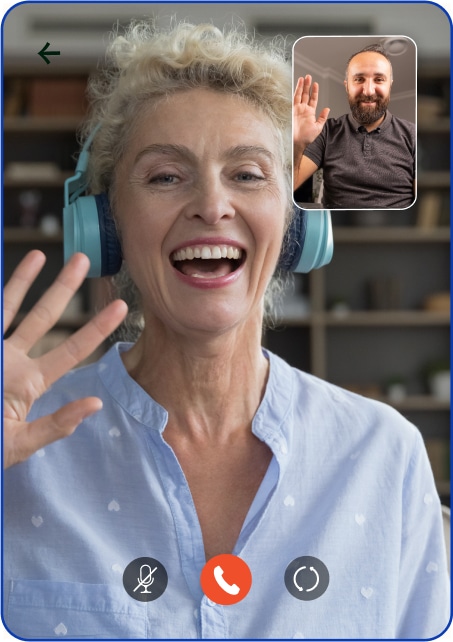
Online CBT utilizes many techniques familiar from traditional face-to-face therapy, adapted for digital platforms. Individuals engaged in online CBT might complete cognitive restructuring exercises through digital journaling or guided prompts, use goal-setting and mood-tracking tools, access guided relaxation recordings, work through interactive worksheets, and review educational materials—all while maintaining regular video sessions with their therapist.

Several therapeutic modalities built on CBT principles may also be offered through online platforms, depending on individual needs. These include exposure therapy for anxiety disorders and dialectical behavior therapy, which incorporates mindfulness and distress tolerance skills.

The digital format doesn’t fundamentally alter CBT’s core methodology but rather changes the medium through which therapeutic work occurs. Research suggests that for many individuals and conditions, this adaptation maintains therapeutic effectiveness while offering distinct advantages in accessibility and convenience.

Free online CBT resources in the UK

Multiple pathways exist for accessing free or low-cost CBT in the UK, from public health services to charitable organizations to self-guided digital tools. Each offers different features suited to varying needs and circumstances.

v

The NHS provides free therapy through the NHS Talking Therapies program. Individuals can access these services either through GP referral or by self-referring directly. An initial assessment helps determine the most appropriate therapeutic approach, which might include CBT, guided internet-based self-help, counseling, or a combination of modalities. Services are delivered through video sessions, telephone, online courses, or in-person meetings.

While NHS Talking Therapies represents a valuable public resource, availability and waiting times vary significantly by region, with some areas experiencing substantial delays between referral and first appointment.

Charitable and nonprofit organizations

Several organizations offer free or low-cost mental health support:

  • Samaritans provides emotional support, particularly for individuals in crisis
  • Mind offers information, advocacy, and support services
  • Anxiety UK specializes in anxiety disorder support and therapy options

Additionally, many colleges and universities across the UK provide free counseling services to enrolled students, including individual therapy, support groups, and workshops addressing anxiety, depression, stress, and other mental health concerns.

Self-guided CBT apps and digital tools

While professional guidance typically yields the most effective outcomes, several apps and online platforms offer self-guided CBT-based programs that can supplement professional care or provide support while waiting for formal therapy:

  • SilverCloud offers free self-directed online therapy programs
  • Living Life to the Full (LLTTF) provides free courses based on CBT principles
  • Wysa features a free AI-supported service with CBT-based tools, alongside premium paid options

These resources work best as complements to professional therapy rather than replacements, particularly for individuals experiencing moderate to severe symptoms.

The case for online CBT: Benefits and evidence

Online CBT therapy offers several distinctive advantages that address common barriers to traditional in-person treatment:

Accessibility and reach. Virtual delivery eliminates geographical constraints, making therapy available to individuals in rural areas, those with mobility limitations, and people whose local areas lack sufficient mental health providers.

Scheduling flexibility. Online sessions don’t require commuting time, making it easier to fit therapy into demanding schedules. Many platforms offer evening and weekend appointments that accommodate work and family responsibilities.

Comfort and reduced stigma. Some individuals feel more at ease discussing personal challenges from their own homes rather than in a clinical setting. The relative privacy of online therapy may also reduce stigma-related concerns about being seen entering a therapist’s office.

Consistent engagement. Digital platforms often include reminders, structured programs, and between-session resources that can support treatment adherence and ongoing skill practice.

Cost considerations. While not always less expensive than in-person therapy, online platforms frequently offer more affordable options than traditional private practice fees.

Research supporting online CBT effectiveness

Evidence supports online CBT as a legitimate therapeutic approach. Multiple studies demonstrate that internet-delivered CBT can achieve outcomes comparable to face-to-face therapy for conditions including anxiety and depression.

One recent study examined a nine-week internet-delivered CBT program designed for anxiety and depression. Researchers found that participants showed significant improvements in symptoms including low mood, concentration difficulties, and persistent worry. Similar research across various populations and conditions has reinforced these findings, suggesting that for many individuals, the medium of delivery doesn’t substantially diminish therapeutic effectiveness.

However, it’s important to recognize that online therapy isn’t universally appropriate. Effectiveness can vary based on individual circumstances, condition severity, and personal preferences regarding therapeutic format.

When online CBT may not be sufficient

While online CBT offers valuable benefits, certain situations require more intensive or specialized support beyond what digital platforms typically provide.

Individuals experiencing severe depression with suicidal ideation, acute psychosis, complex trauma with significant dissociative symptoms, or active substance use disorders that pose immediate health risks may need in-person treatment with more frequent monitoring and crisis intervention capabilities. Similarly, eating disorders that have resulted in medical complications often require coordinated care involving medical monitoring alongside psychological treatment.

Online therapy can play a role in treatment plans for these conditions, but typically as one component within a broader care approach rather than as standalone treatment. If you’re uncertain whether online therapy is appropriate for your situation, consulting with a healthcare provider can help determine the most suitable treatment approach.

Affordable paid options: When free resources aren’t enough

Free mental health resources provide essential support for many individuals, but they can have limitations. Restricted therapist availability, extended waiting lists, limited session frequency, or narrower ranges of specialization may mean free options don’t fully meet everyone’s needs.

For individuals who find free resources insufficient but cannot afford traditional private therapy rates, paid online therapy platforms offer a middle ground. ReachLink, for instance, provides subscription-based access to licensed clinical social workers who offer video-based therapy sessions. Our model emphasizes accessibility and flexibility while maintaining professional standards of care.

Important note about ReachLink services: ReachLink therapists are licensed clinical social workers (LCSWs) who provide therapeutic counseling for a wide range of mental health concerns. However, we do not provide psychiatric services, psychological testing, or prescription medications. Clients requiring medication management should consult with psychiatrists or other prescribing medical professionals. We’re happy to provide referrals when services outside our scope would benefit a client’s care.

Online platforms like ReachLink typically offer several advantages over free options: shorter wait times for initial appointments, broader therapist selection allowing for better matching based on specialization and personal preferences, more flexible scheduling, and consistent session frequency.

Getting started with online CBT therapy

If you’re considering online CBT, these steps can help you begin:

1. Assess your needs. Reflect on what you’re hoping to address in therapy, whether you have preferences regarding therapist characteristics or specializations, and what format (video, phone, messaging) would work best for your circumstances.

2. Research available options. Compare platforms based on therapist credentials, services offered, costs (if applicable), user reviews, and whether they accept insurance. Consider both free resources and paid platforms to understand the full range of options.

3. Verify credentials and legitimacy. Ensure that any platform you consider employs properly licensed therapists and maintains appropriate privacy protections and HIPAA compliance.

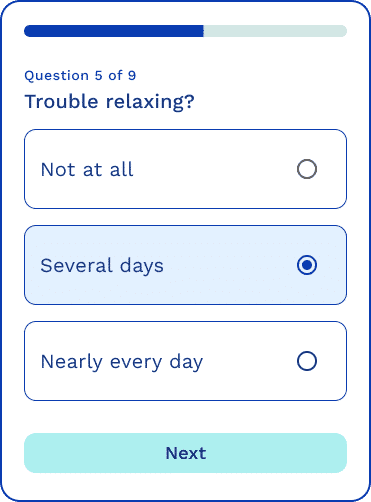
4. Complete intake processes. Most platforms require an initial questionnaire about your mental health concerns, history, and preferences. This information helps match you with an appropriate therapist.

5. Attend an initial session. Use your first meeting to discuss your goals, ask questions about the therapist’s approach, and assess whether the therapeutic relationship feels like a good fit. It’s entirely appropriate to try a different therapist if the initial match doesn’t feel right.

6. Engage actively in the process. CBT is most effective when clients actively participate—completing between-session assignments, practicing skills, and communicating openly with their therapist about what is and isn’t working.

Moving forward: A comprehensive view of mental health support

The expansion of online CBT options represents a meaningful development in addressing the UK’s mental health needs, but it’s not a complete solution to systemic challenges. Digital therapy platforms work best as part of a broader mental health infrastructure that includes adequately funded public services, community-based support, crisis intervention resources, and specialized care for complex conditions.

For individuals currently seeking support, the landscape offers more options than ever before—from NHS Talking Therapies to charitable organizations to self-guided apps to paid platforms like ReachLink. Each has strengths and limitations. The most appropriate choice depends on your specific circumstances: the nature and severity of your concerns, your financial situation, how quickly you need to begin treatment, and your preferences regarding therapeutic format.

What remains most important is taking that first step toward support. Whether through free resources or paid services, online or in-person, the act of reaching out for help represents a meaningful move toward better mental health. The barriers are real, but so are the pathways through them.

The information on this page is not intended to be a substitution for diagnosis, treatment, or informed professional advice. You should not take any action or avoid taking any action without consulting with a qualified mental health professional.


FAQ

  • What is CBT therapy and how does it work?

    Cognitive Behavioral Therapy (CBT) is an evidence-based therapeutic approach that focuses on identifying and changing negative thought patterns and behaviors. It works by helping you recognize the connection between your thoughts, feelings, and actions, then developing practical strategies to manage difficult emotions and situations more effectively.

  • Is online CBT therapy as effective as in-person sessions?

    Research shows that online CBT therapy can be just as effective as face-to-face sessions for many mental health conditions, including anxiety, depression, and PTSD. The key factors for success are having a licensed therapist, maintaining consistent sessions, and actively participating in the therapeutic process regardless of the delivery method.

  • When should I consider seeking CBT therapy?

    CBT therapy can be beneficial when you're experiencing persistent anxiety, depression, intrusive thoughts, relationship difficulties, or unhelpful behavioral patterns that interfere with your daily life. It's particularly effective for those who want to develop practical coping skills and make lasting changes to their thought patterns and behaviors.

  • What can I expect during online CBT therapy sessions?

    Online CBT sessions typically involve discussing your thoughts, feelings, and behaviors with a licensed therapist via secure video calls. You'll learn specific techniques like thought challenging, behavioral experiments, and mindfulness practices. Sessions often include homework assignments to practice new skills between meetings, helping you apply what you've learned to real-life situations.

  • How can I find a qualified online CBT therapist in the UK?

    Look for therapists who are registered with professional bodies like the BACP or BPS, have specific training in CBT, and experience with online therapy delivery. Verify their credentials, read reviews from other clients, and ensure they use secure, confidential platforms for sessions. Many platforms offer initial consultations to help you determine if a therapist is the right fit.

Share this article
Take the first step toward better mental health.
Get Started Today →
Ready to Start Your Mental Health Journey?
Get Started Today →