Michael’s Journey: Finding Mental Wellness Through Telehealth
FAQ
-
How effective is telehealth therapy compared to in-person sessions?
Research shows telehealth therapy can be just as effective as in-person sessions for many mental health conditions. The key is finding a licensed therapist who uses evidence-based approaches like CBT or DBT. Many people find the convenience and comfort of their own space actually enhances their therapeutic experience.
-
What should I expect if I had negative therapy experiences in the past?
Past negative experiences don't predict future outcomes. Different therapeutic approaches work for different people, and finding the right therapist-client match is crucial. Many people who struggled with traditional therapy find success with telehealth formats or different therapeutic modalities like trauma-informed care or solution-focused therapy.
-
How do I know if telehealth therapy is right for my mental health needs?
Telehealth therapy works well for anxiety, depression, trauma, relationship issues, and many other concerns. It's particularly beneficial if you have mobility challenges, busy schedules, or prefer the privacy of your own space. A licensed therapist can help determine if telehealth is appropriate for your specific situation during an initial consultation.
-
What therapeutic approaches are available through telehealth platforms?
Licensed therapists offer the same evidence-based treatments through telehealth as in-person, including Cognitive Behavioral Therapy (CBT), Dialectical Behavior Therapy (DBT), trauma-focused therapy, family therapy, and talk therapy. The therapeutic relationship and treatment effectiveness remain consistent across delivery methods.
-
How can therapy help transform negative self-perception and restore hope?
Therapy provides tools to identify and challenge negative thought patterns, develop healthier coping strategies, and build self-compassion. Through consistent therapeutic work, many people experience significant shifts in how they view themselves and their circumstances, leading to improved mental wellness and renewed optimism about their future.
In this Article
Finding My Path to Mental Wellness with ReachLink: Michael’s Story
Seeking help from a mental health professional is a significant step that many hesitate to take. However, over 41.7 million US adults currently work with therapists, and this number continues to grow. Michael, whose story follows, is one of these individuals. If you’re contemplating therapy, you might find inspiration in Michael’s journey of exploring different therapeutic approaches before discovering what worked best for him.
Michael’s success story: “Becoming the best version of myself”
Note: Please consult a medical professional like your primary care physician or psychiatrist before starting, changing, or stopping a medication.
“I’d like to preface this review by saying that, despite our differences and emotional disconnect, my parents always provided a roof over my head, a warm bed, clean clothes, and plenty of food, which I’ll forever be grateful for.
Counseling has been a significant part of my life. When I was in second grade, my parents decided to take me to see a psychiatrist. This choice was made because, as a child, I struggled to remain focused. After my first session, the psychiatrist diagnosed me with attention-deficit hyperactivity disorder (ADHD).
My early experiences with mental health support
My journey began with multiple psychiatrists and medication trials to address my symptoms. This process was particularly challenging because I was born with opiates in my system, which meant I could quickly become dependent on certain medications. My psychiatrist was careful when determining which medications would be appropriate for me.
By the end of elementary school, my family and I found a psychiatrist I continued seeing throughout high school and briefly afterward. This professional not only supported my mental health but also served as our family counselor, with monthly in-person sessions that sometimes included my brother.
From a young age, my relationship with my mother deteriorated shortly after my adoption, and my father often felt caught “in the middle.” This dynamic became the central topic during our family counseling sessions.
When therapeutic support became counterproductive
Initially, I felt therapy was beneficial, though I never noticed the medication making a difference in my thought patterns. My psychiatrist helped me develop strategies for self-improvement. However, as I grew older, I increasingly became the family scapegoat, the person everyone could blame and project their issues onto.
Over time, my psychiatrist offered fewer constructive solutions. Eventually, I constantly felt attacked and developed a self-perception as someone undeserving of happiness who would never achieve anything meaningful. While this outcome may not have been intentional, it profoundly affected my emotional and physical well-being. Eventually, I resisted attending sessions because they caused more harm than good.
Finding a new approach in college
In college, I experienced psychotherapy with a counselor for the first time. This format immediately felt more beneficial—I sensed someone genuinely interested in listening to me. This counselor helped initiate my self-healing journey and helped me understand that not everything was my fault and that wanting happiness wasn’t wrong.
Unfortunately, the college program limited me to only eight sessions. Afterward, I would need to find a different counselor elsewhere. Being naturally caring and social, I form attachments easily, including with counselors. Rather than starting over with someone new after building trust, I stopped attending therapy altogether.
Discovering telehealth therapy and ReachLink
A little over a month ago, I hit what felt like the lowest point in my life. I had to leave my job due to undiagnosed health issues, found myself isolated in an unfamiliar city with minimal support, and was unable to see my son or support him as I wanted. I felt completely stuck, facing what seemed like an insurmountable obstacle.
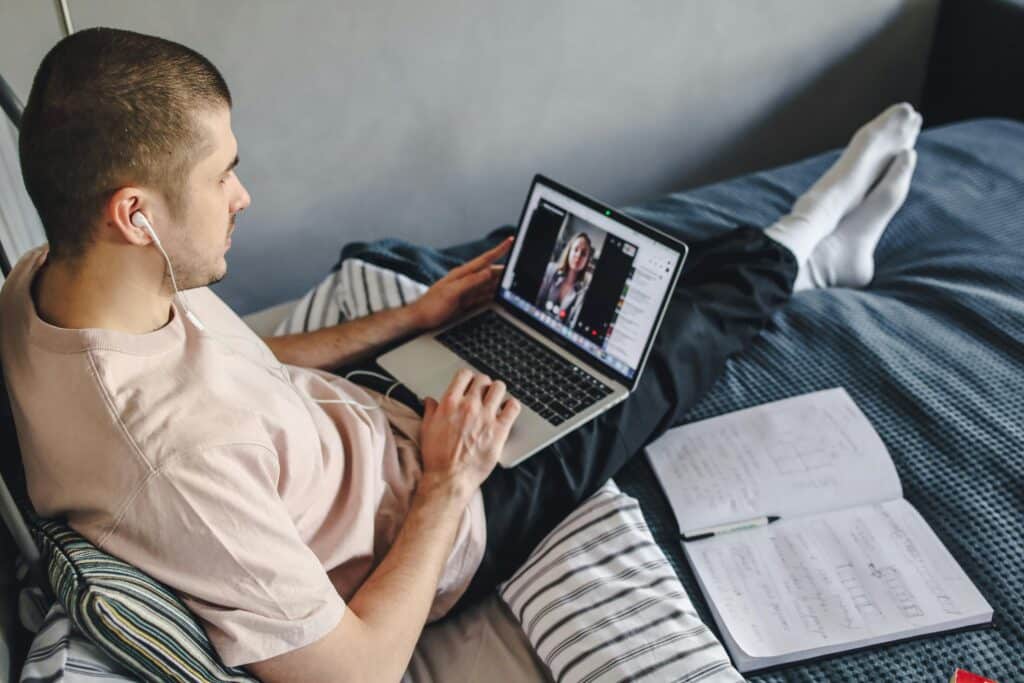
After learning about telehealth therapy options, I decided to give therapy another chance. I reached out to my father, who agreed to help with the cost and helped me sign up for ReachLink’s telehealth counseling services.
I’m grateful I made this decision, as I’ve reached a point where seeking support is essential. I’m determined to provide the life my son deserves and achieve my goals of helping my family and friends make positive changes in the world.
I was matched with a licensed clinical social worker named Jeana, and whether by luck or excellent matching algorithms, connecting with her has been one of my best decisions. In just one month of using ReachLink’s services, Jeana has been tremendously helpful. We’ve been addressing my issues with self-hatred, lack of motivation, and anxiety challenges that have hindered my progress throughout life.
How telehealth therapy guided me toward improved well-being
Before starting therapy with ReachLink, I maintained a negative self-image. I didn’t believe I deserved happiness and viewed myself as problematic to myself and others. However, my counselor has effectively challenged this negative mindset in ways that have been remarkably beneficial. She helps me develop solutions for whatever issues I present and has provided meditation techniques and worksheets promoting positive self-image and understanding, even when I struggle to understand myself.
After just one month, I noticed increased positivity and goal orientation. Since beginning therapy through ReachLink, I finally feel heard and valued. I’ve developed self-care practices and believe I can achieve my goals. Though I remain a work in progress with significant challenges ahead, I now see light at the end of the tunnel and understand that moving forward is the only way to reach it.
I’ve been actively applying for jobs daily and have returned to writing poetry and stories, a passion I had abandoned. I’m taking better care of my health and look forward to continuing my growth with my therapist’s support through ReachLink. I’ve reached a point where I believe I’ll continue therapy throughout my life, even after addressing my current challenges.”
Exploring therapy options
Michael’s story demonstrates how telehealth therapy can make a meaningful difference in a relatively short time. While there are numerous therapy formats available, many people find virtual therapy more effective due to its privacy and flexibility. Additionally, it often proves more cost-effective than certain in-person options. If you’ve been considering telehealth therapy, a platform like ReachLink might provide the guidance you’re seeking.
Research supports the effectiveness of this counseling approach. In Michael’s story, he describes experiencing stress from family dynamics and negative self-perception. Studies have found that internet-based cognitive-behavioral therapy can have lasting effects in treating chronic stress. Additional research indicates that online therapy can be as effective as—and sometimes more effective than—in-person counseling for reducing symptoms of depression.
Takeaway
Whatever mental health challenges you face, remember you’re not alone. As Michael’s story illustrates, getting support often requires making the decision to move forward, even knowing it might be a gradual process.
Therapy frequently offers clients the motivation and guidance to achieve goals they might not envision independently due to mental health symptoms or stress. If you believe therapy could be beneficial for you, consider connecting with a licensed clinical social worker through telehealth services like ReachLink to learn more about the process and available therapeutic approaches.
FAQ
-
How effective is telehealth therapy compared to in-person sessions?
Research shows telehealth therapy can be just as effective as in-person sessions for many mental health conditions. The key is finding a licensed therapist who uses evidence-based approaches like CBT or DBT. Many people find the convenience and comfort of their own space actually enhances their therapeutic experience.
-
What should I expect if I had negative therapy experiences in the past?
Past negative experiences don't predict future outcomes. Different therapeutic approaches work for different people, and finding the right therapist-client match is crucial. Many people who struggled with traditional therapy find success with telehealth formats or different therapeutic modalities like trauma-informed care or solution-focused therapy.
-
How do I know if telehealth therapy is right for my mental health needs?
Telehealth therapy works well for anxiety, depression, trauma, relationship issues, and many other concerns. It's particularly beneficial if you have mobility challenges, busy schedules, or prefer the privacy of your own space. A licensed therapist can help determine if telehealth is appropriate for your specific situation during an initial consultation.
-
What therapeutic approaches are available through telehealth platforms?
Licensed therapists offer the same evidence-based treatments through telehealth as in-person, including Cognitive Behavioral Therapy (CBT), Dialectical Behavior Therapy (DBT), trauma-focused therapy, family therapy, and talk therapy. The therapeutic relationship and treatment effectiveness remain consistent across delivery methods.
-
How can therapy help transform negative self-perception and restore hope?
Therapy provides tools to identify and challenge negative thought patterns, develop healthier coping strategies, and build self-compassion. Through consistent therapeutic work, many people experience significant shifts in how they view themselves and their circumstances, leading to improved mental wellness and renewed optimism about their future.
