Depression Awareness Month successfully reduces mental health stigma and normalizes help-seeking, but current campaigns oversimplify complex symptoms, ignore critical access barriers, and employ generic messaging that fails to connect diverse populations with evidence-based therapeutic support they need.
Depression Awareness Month has become a well-meaning exercise in false hope. While campaigns successfully reduce stigma, they consistently ignore the systemic barriers that keep millions from accessing actual care, creating a dangerous gap between knowing help exists and being able to reach it.
What Depression Awareness Month Gets Right: The Progress We’ve Made
Before examining what still needs work, it’s worth pausing to recognize real gains. Depression Awareness Month, observed each October, has contributed to meaningful shifts in how society talks about and responds to mental health challenges. These changes aren’t just anecdotal: they show up in research, in policy, and in everyday conversations that would have been unthinkable a generation ago.
Public attitudes have shifted dramatically. According to research from the American Psychological Association, 87% of American adults now believe that having a mental health disorder is nothing to be ashamed of, and 86% believe people with these conditions can get better with appropriate support. These numbers represent a sea change from previous decades, when silence and shame dominated the cultural landscape around depression.
Younger generations are leading the charge in seeking help. Millennials and Gen Z report higher rates of therapy use than any previous generation, not because they experience more mental health challenges, but because they’re more willing to address them openly. Growing up with awareness campaigns, school-based mental health education, and online communities has normalized the idea that struggling doesn’t mean weakness.
Mainstream media has played a significant role in this shift. Television shows, podcasts, and social media platforms now feature frank discussions about depression and treatment. When celebrities and public figures share their experiences with depression, it creates representation that reduces shame for millions of people watching. These disclosures send a powerful message: depression affects people across every level of success, wealth, and achievement.
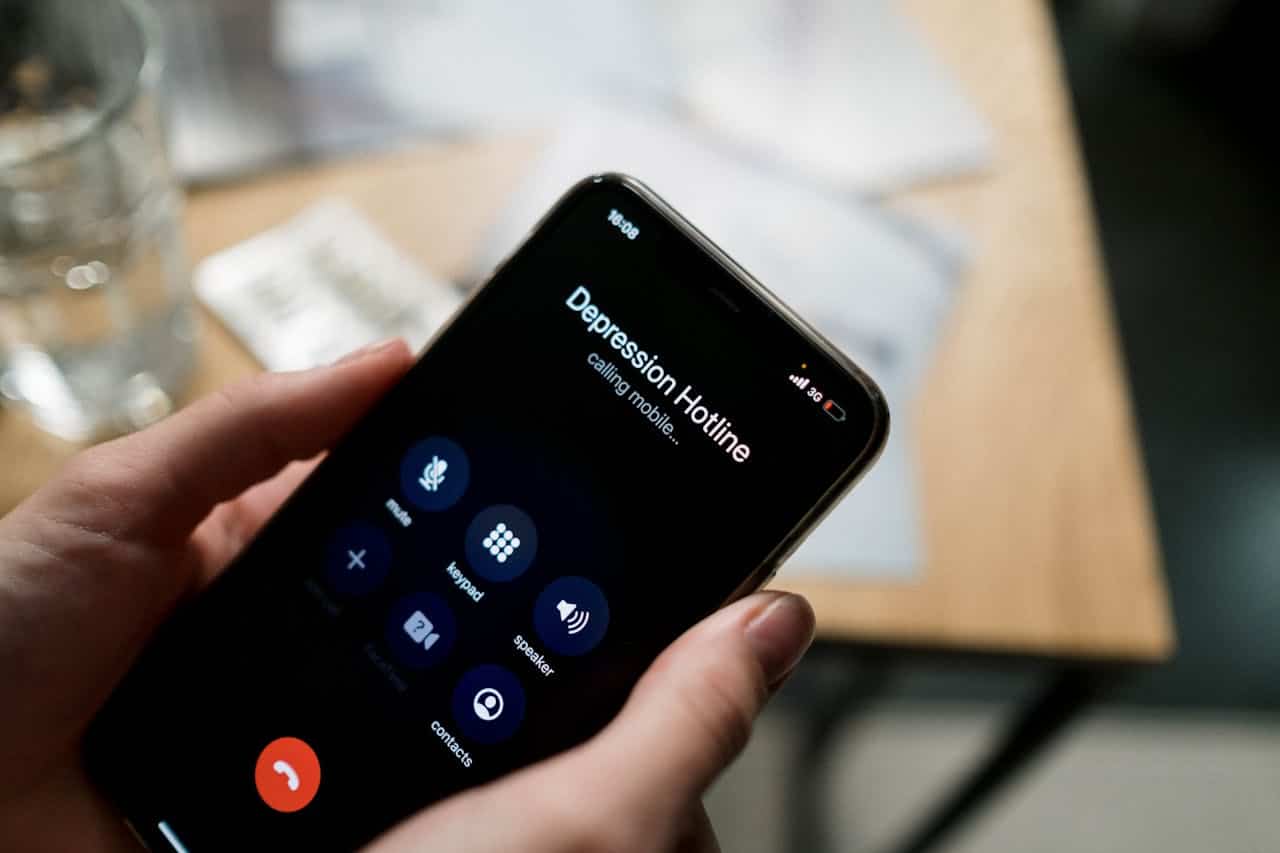
Crisis resources have also expanded and become more accessible. The launch of 988, the Suicide and Crisis Lifeline, marked a turning point in emergency mental health support. A simple three-digit number replaced a harder-to-remember ten-digit line, and awareness campaigns have helped more people know it exists when they need it most.
These wins matter. They represent lives saved, suffering reduced, and a culture slowly learning to hold space for mental health struggles. But progress in awareness doesn’t automatically translate to progress in care, access, or understanding. That’s where the conversation gets more complicated.
Myths That Awareness Campaigns Have Successfully Debunked
Before dismissing awareness months as empty gestures, it’s worth acknowledging what they’ve actually accomplished. Decades of persistent public education have genuinely shifted how people think about depression, and some of these wins deserve recognition.
Depression Is More Than “Just Feeling Sad”
One of the most significant victories has been reframing depression as a complex neurobiological condition rather than ordinary sadness that someone should simply push through. The National Institute of Mental Health now defines depression as involving genetic, biological, environmental, and psychological factors. This understanding has filtered into mainstream awareness. Most people today recognize that clinical depression operates differently from the temporary low moods everyone experiences.
The “Snap Out of It” Mentality Is Fading
While the attitude that people with depression should simply think positive or get over it hasn’t disappeared entirely, it’s increasingly seen as outdated and unhelpful. Public campaigns have helped people understand that telling a person with depression to snap out of it makes about as much sense as telling someone with a broken leg to walk it off.
Depression Doesn’t Discriminate
Awareness efforts have also challenged the myth that depression only affects certain types of people. We now better understand that depression crosses every demographic line: age, income, profession, relationship status. A person can have what looks like a perfect life and still experience depression. This recognition has been crucial in reducing the shame that kept so many people silent.
Treatment Works, and Recovery Happens
Perhaps most importantly, awareness campaigns have spread the message that depression is treatable. The old belief that depression was a permanent character flaw or personal weakness has given way to understanding that effective treatments exist and recovery is genuinely possible. This shift alone has likely encouraged countless people to seek help who otherwise might not have.
What Depression Awareness Month Gets Wrong: The Persistent Gaps
For all its achievements, Depression Awareness Month carries blind spots that limit its impact. Some of these gaps are subtle. Others are glaring enough that people living with depression notice them immediately, even as campaigns claim to speak on their behalf.
The Social Media Simplification Problem
Depression is messy, contradictory, and deeply personal. But social media demands the opposite: clean graphics, punchy captions, and content that performs well in algorithms. The result? Complex experiences get flattened into shareable quotes and symptom checklists that miss the full picture.
A person with depression might scroll past an infographic listing common signs and not recognize themselves at all. Their depression shows up as irritability, not sadness, or physical exhaustion without the classic feeling of being blue. When awareness content oversimplifies, it can accidentally exclude the very people it aims to help.
One-Size-Fits-All Messaging Falls Short
Depression doesn’t look the same across different ages, cultures, genders, or life circumstances. A teenager experiencing their first depressive episode needs different information than a new parent dealing with postpartum depression or an older adult facing late-life depression alongside chronic illness. Yet most awareness campaigns deliver generic messages that assume a universal experience, leaving people whose depression doesn’t match the expected narrative to wonder if what they’re experiencing counts or deserves support.
Awareness Without Access Is False Hope
Telling someone to reach out for help means little when help isn’t accessible. Awareness campaigns rarely address the systemic barriers that keep people from treatment, including cost, lack of insurance coverage, provider shortages in rural areas, and months-long waitlists. Raising awareness without equal attention to these obstacles can feel hollow. It places the burden entirely on individuals while ignoring the broken systems they’re navigating.
The October Spike and Eleven-Month Silence
Mental health doesn’t follow a calendar. Depression persists through November, February, July, and every other month when the awareness ribbons come down and the hashtags fade. People with depression don’t get to take eleven months off from their symptoms. The mental health conversation shouldn’t either.
When Corporations Co-opt the Message
October brings an influx of brands posting about mental health, often with more interest in appearing compassionate than creating change. When companies run awareness campaigns while offering employees inadequate mental health benefits or fostering toxic work environments, the hypocrisy is hard to miss. This corporate co-optation shifts focus away from people with depression and toward brand image, reducing a serious health condition to a marketing opportunity.
Individual Action Can’t Fix Systemic Problems
Most awareness messaging emphasizes personal choices: practice self-care, talk to someone, seek help. These suggestions aren’t wrong, but they’re incomplete. They ignore how poverty, discrimination, trauma, unstable housing, and lack of community support all contribute to depression. When we frame depression purely as an individual problem requiring individual solutions, we let larger systems off the hook. Real progress requires addressing the social conditions that make people vulnerable to depression in the first place.
Myths That Still Persist Despite Decades of Awareness Efforts
After years of awareness campaigns, you might expect the most harmful misconceptions about depression to have faded. Some have. But others remain stubbornly embedded in how we talk about mental health, and they continue to shape who gets help and who doesn’t.
High-functioning depression stays invisible. When someone maintains their job, relationships, and daily responsibilities while experiencing depression, their struggle often gets dismissed or minimized. The assumption that depression always looks like an inability to get out of bed leaves countless people feeling like their pain isn’t real enough to deserve support. They push through, exhausted and suffering, because the public image of depression doesn’t include them.
Depression in men remains dramatically underdiagnosed. The stereotypical symptoms we associate with depression, such as tearfulness or openly expressed sadness, don’t always match how depression manifests in men. Irritability, anger, risk-taking behavior, and physical complaints often get overlooked as signs of men’s mental health struggles. This gap in recognition means many men never receive the diagnosis or treatment they need.
Medication myths persist at both extremes. Some people believe antidepressants are always necessary for recovery, while others insist they’re never the right choice. Neither position reflects reality. Effective depression treatment looks different for each person, and all-or-nothing thinking around medication prevents nuanced conversations about what actually helps.
Treatment-resistant depression carries undeserved shame. When first-line treatments don’t work, many people blame themselves rather than recognizing that finding the right approach sometimes takes time and adjustment. The lack of public understanding about treatment-resistant depression leaves people feeling like failures when they’re actually dealing with a more complex form of the condition.
Sadness still gets confused with clinical depression. This conflation works both ways: it trivializes depression as something you can simply snap out of, while also making people hesitant to seek help for genuine symptoms because they wonder if they’re being dramatic. The belief that therapy is only for severe cases keeps many from reaching out until they’re in crisis.
The Awareness-to-Access Gap: Why Knowing Help Exists Isn’t Enough
Depression awareness campaigns succeed at one thing remarkably well: they tell people that help is available. But for millions of Americans, that message rings hollow. Knowing that therapy exists doesn’t mean much when you can’t actually get an appointment, afford the cost, or find a provider within a reasonable distance. This gap between awareness and access represents one of the most significant blind spots in our national mental health conversation.
The Provider Shortage Crisis by the Numbers
The math simply doesn’t work. Over 150 million Americans live in designated mental health professional shortage areas, meaning there aren’t enough providers to meet the population’s needs. For those who do manage to find a therapist or psychiatrist accepting new patients, wait times for an initial appointment often stretch between 6 and 12 weeks. That’s potentially three months of struggling before receiving any professional support.
The workforce crisis compounds this problem daily. Therapists and counselors are leaving the field at alarming rates, burned out from heavy caseloads and the emotional toll of their work. New providers aren’t entering the profession fast enough to replace them. The result is a shrinking pool of clinicians facing ever-growing demand, especially as awareness campaigns successfully encourage more people to seek help.
Insurance and Cost Barriers That Block the Door
Even when providers are available, getting through the door often requires navigating a maze of insurance obstacles. Prior authorizations can delay treatment for weeks while paperwork gets processed. Many therapists don’t accept insurance at all, and those who do often have full caseloads. Session caps mean that just as someone starts making progress in psychotherapy, their coverage runs out.
For people paying out of pocket, the numbers are stark. Therapy sessions without insurance typically cost between $100 and $250 each. Weekly sessions at those rates add up to $400 to $1,000 per month, putting consistent care out of reach for most households. This creates a two-tiered system where quality mental health support becomes a luxury rather than a basic healthcare need.
Geographic Deserts and Who Gets Left Behind
Rural communities face the harshest version of this access crisis. In many parts of the country, the nearest mental health provider may be hours away by car. Taking time off work, arranging childcare, and paying for gas creates barriers that stack on top of already limited options. For people without reliable transportation, in-person therapy becomes essentially impossible.
These geographic deserts don’t affect everyone equally. Low-income communities, communities of color, and elderly populations often bear the heaviest burden of limited local options. Online therapy platforms are beginning to change this equation, making it possible to connect with licensed therapists regardless of zip code. You can start with a free assessment through ReachLink to explore your options from anywhere with an internet connection, no travel required.
Until we address these structural barriers with the same energy we bring to awareness campaigns, we’re essentially telling people to swim while keeping the pool locked.
Who Awareness Reaches vs. Who Gets Left Behind
Depression awareness campaigns cast a wide net, but they don’t catch everyone equally. The people who need support most are often the same people these efforts fail to reach, creating a troubling gap between good intentions and real impact.
The Gender Gap in Diagnosis
Men receive depression diagnoses at roughly half the rate of women, even though research suggests the actual prevalence is far more similar than those numbers imply. Part of this stems from how awareness campaigns frame depression. Messaging often emphasizes sadness and crying, while men with depression more commonly experience irritability, anger, and physical symptoms like fatigue or pain.
CDC data reveals significant demographic disparities in mental health treatment, with women consistently more likely to access care than men. When campaigns don’t reflect how depression actually shows up across genders, they inadvertently tell half the population that their symptoms don’t count. Understanding women’s mental health needs is valuable, but awareness efforts must expand to recognize the full spectrum of how depression presents.