Building Authentic Connections Through Emotional Openness
Emotional openness creates the foundation for authentic relationships and improved mental health, though barriers like fear of rejection, past trauma, and mental health conditions often make vulnerability challenging - therapeutic strategies and professional counseling help individuals gradually develop communication skills and build meaningful connections.
Ever feel like you're surrounded by people yet still deeply alone? Emotional openness bridges that gap between surface-level interactions and meaningful connection, and you can learn to overcome the fears holding you back from authentic relationships.
In this Article
Building Authentic Connections: A Guide to Emotional Openness When Sharing Feels Difficult
Content warning: Please be advised that the below article might mention trauma-related topics that could be triggering to the reader. If you are in crisis, please contact the 988 Suicide and Crisis Lifeline by dialing 988, or contact the Crisis Text Line by texting HELLO to 741741.
Updated February 21st, 2025 by the ReachLink Content Team
Reviewed by ReachLink Clinical Staff
Forming meaningful connections with others requires the ability to share your authentic self—your thoughts, feelings, and experiences. Yet for many people, emotional openness doesn’t come easily. Whether you’re struggling to express yourself to a romantic partner, family member, close friend, or new acquaintance, the challenge of vulnerability can leave you feeling isolated even when surrounded by others.
If you’ve found yourself holding back in relationships or wondering why opening up feels so difficult, you’re not alone. Understanding the barriers to emotional expression and learning practical strategies to overcome them can help you build the genuine connections that contribute to mental wellness and life satisfaction.
Why emotional openness matters for mental health and relationships
The capacity for vulnerability forms the foundation of emotional intimacy across all relationship types—romantic partnerships, friendships, family bonds, and professional connections. When we share our inner experiences with others, we create opportunities for genuine understanding and mutual support. Without this openness, even long-standing relationships can feel superficial or distant.
Research consistently demonstrates that social isolation and loneliness contribute to serious health concerns including cardiovascular disease, cognitive decline, depression, anxiety, and reduced life expectancy. Conversely, strong social connections support both physical and mental health. Simply having many acquaintances isn’t enough—the quality and depth of our relationships matter significantly.
When you allow yourself to be truly known by others, you create space for authentic connection that can be deeply nourishing. Emotional honesty in relationships provides multiple benefits:
- Deeper trust and intimacy: Sharing vulnerably invites others to do the same, creating reciprocal openness
- Emotional support: Trusted others can offer perspective, validation, and practical help with challenges
- Personal growth: Expressing thoughts and feelings aloud helps you process experiences and gain clarity
- Reduced isolation: Feeling understood by others combats loneliness even when physically alone
- Modeling healthy communication: Your openness can help others feel safer expressing themselves
Opening up about your experiences also serves a healing function. Putting difficult emotions or experiences into words, particularly with a supportive listener, can help you make sense of what you’ve been through and move forward.
Understanding why sharing feels difficult
If you find yourself struggling to open up, numerous factors might be contributing to this challenge. Recognizing what makes vulnerability difficult for you specifically is an important first step toward change.
Fear of judgment or rejection
Perhaps the most common barrier to openness is the worry that others will respond negatively to what you share. You might think:
- “If they knew what I really think, they wouldn’t like me”
- “My feelings might seem excessive or unreasonable”
- “I’ll be seen as weak or needy if I admit I’m struggling”
- “They’ll think less of me if they know about my past”
These fears aren’t irrational—vulnerability does carry some risk. Not everyone responds to emotional honesty with acceptance and support. However, the inability to be authentic with anyone creates its own problems, including chronic loneliness and the exhaustion of maintaining a false front.
Communication challenges and lack of practice
Some people find it difficult to put their internal experiences into words, even when they want to share. You might experience:
- Uncertainty about how to start difficult conversations
- Trouble identifying or naming your own emotions
- Worry about expressing yourself poorly or being misunderstood
- Limited experience with emotional conversations in your family or community
Communication skills can be developed with practice, but if you haven’t had opportunities to learn emotional expression, the prospect of opening up can feel overwhelming.
Emotional disconnection or numbness
Sometimes the barrier to sharing isn’t fear but rather a sense of disconnection from your own emotions. Emotional numbness can result from various causes including stress, trauma, depression, or other mental health conditions. When you can’t clearly access your own feelings, sharing them with others becomes nearly impossible.
Past experiences and trauma
Previous negative experiences significantly impact your willingness to be vulnerable again. If you’ve experienced:
- Emotional or physical abandonment by someone you trusted
- Betrayal of confidence or having personal information used against you
- Dismissal or mockery when you’ve shared feelings in the past
- Abuse or mistreatment in past relationships
These experiences can create lasting hesitation about opening up, even with new people who haven’t given you reason to distrust them. Your self-protective instincts, while understandable, may prevent you from forming the connections you need.
If you or a loved one is experiencing abuse, contact the Domestic Violence Hotline at 1-800-799-SAFE (7233). Support is available 24/7.
Mental health conditions
Certain mental health challenges can make social connection and emotional expression particularly difficult:
- Depression often brings low energy, loss of interest in activities and relationships, and feelings of worthlessness that make reaching out feel pointless
- Social anxiety disorder involves intense fear of judgment or embarrassment in social situations, sometimes severe enough to prevent social engagement entirely
- Panic disorder can make unfamiliar social situations feel threatening due to fear of having a panic attack
- Agoraphobia may make leaving home or entering certain social situations extremely difficult
- Post-traumatic stress can create hypervigilance and difficulty trusting others
When mental health symptoms interfere with your ability to connect with others, professional support becomes particularly important.
Practical strategies for developing greater openness
While the barriers to vulnerability are real, there are concrete steps you can take to gradually become more comfortable sharing your authentic self with others.
Work through past wounds with professional support
Unresolved trauma or painful past experiences often require more than self-help strategies. Working with a licensed clinical social worker can help you:
- Process past experiences of abandonment, betrayal, or abuse
- Understand how past relationships affect current patterns
- Develop healthier approaches to trust and vulnerability
- Heal emotional wounds that continue to impact your present
If you find yourself repeatedly holding back in relationships or experiencing intense fear around emotional expression, past experiences may be playing a larger role than you realize. Professional therapeutic support can help you work through these barriers in a safe, confidential environment.
Strengthen your communication and social skills
The good news about social skills is that they can be learned and improved at any age. While some people seem naturally comfortable in social situations, most of us benefit from deliberately developing our interpersonal abilities. Consider:
- Practicing active listening: Focus fully on what others share, ask follow-up questions, and validate their experiences
- Learning to express emotions: Expand your emotional vocabulary and practice naming what you feel
- Setting healthy boundaries: Communicate your needs and limits clearly and respectfully
- Developing conflict resolution skills: Learn to address disagreements calmly and constructively
- Improving nonverbal communication: Pay attention to body language, eye contact, and tone of voice
You might practice these skills through support groups, structured social activities, or conversations with trusted friends or family members. A therapist can also help you develop specific communication skills in a supportive setting.
Build self-compassion and confidence
Fear of rejection often stems from uncertainty about your own worth. If you struggle with self-doubt or harsh self-criticism, working on self-compassion can make vulnerability less frightening.
Practice self-compassion: Research indicates that self-compassion offers similar mental health benefits to self-esteem while avoiding some of its potential downsides. Self-compassion involves treating yourself with the same kindness you’d offer a good friend, recognizing that imperfection and struggle are part of the shared human experience.
Engage with diverse communities: Spending time with people from various backgrounds and with different strengths helps you recognize that everyone has unique value to offer. This can help you appreciate your own contributions rather than focusing exclusively on perceived shortcomings.
Use positive self-talk: Studies suggest that positive self-talk can help people manage their thoughts, feelings, and behavior during stressful situations. When you notice self-critical thoughts, practice replacing them with more balanced, compassionate perspectives.
Start small and build gradually
You don’t need to share your deepest secrets immediately. Building comfort with vulnerability is a gradual process:
- Begin with lower-risk sharing—mentioning a preference, opinion, or minor frustration
- Choose one trusted person to practice opening up with rather than trying to be vulnerable with everyone
- Notice how it feels when you share something authentic, even if it’s small
- Gradually increase the depth of what you share as you build confidence and trust
Remember that healthy relationships involve reciprocal vulnerability over time. You’re looking for people who respond to your openness with respect and appropriate sharing of their own.
Address mental health symptoms
If depression, anxiety, or other mental health conditions are interfering with your ability to connect with others, seeking professional treatment is essential. Licensed clinical social workers can help you:
- Understand how your symptoms affect your relationships
- Develop coping strategies for managing symptoms
- Work through emotional barriers to connection
- Build skills for healthier social engagement
Mental health treatment isn’t just about reducing symptoms—it’s about improving your quality of life, including your ability to form and maintain meaningful relationships.
How therapy supports emotional openness and authentic connection
Working with a licensed clinical social worker provides a unique opportunity to practice vulnerability in a safe, confidential, and non-judgmental environment. Therapy offers several advantages for people working on opening up:
A safe space to practice: Your therapist is trained to respond to whatever you share with acceptance and without judgment. This allows you to practice expressing difficult thoughts and feelings without the social risks present in other relationships.
Professional guidance: A clinical social worker can help you identify specific barriers to openness, whether they stem from past trauma, communication difficulties, mental health symptoms, or other factors. They can then work with you on targeted strategies to address these challenges.
Skill development: Therapy provides opportunities to develop emotional awareness, communication skills, and relationship patterns that support healthier connections.
Processing past experiences: If past trauma or difficult relationships contribute to your current struggles, therapy offers a space to process these experiences and reduce their impact on your present life.
Telehealth therapy: A comfortable alternative for those who struggle with openness
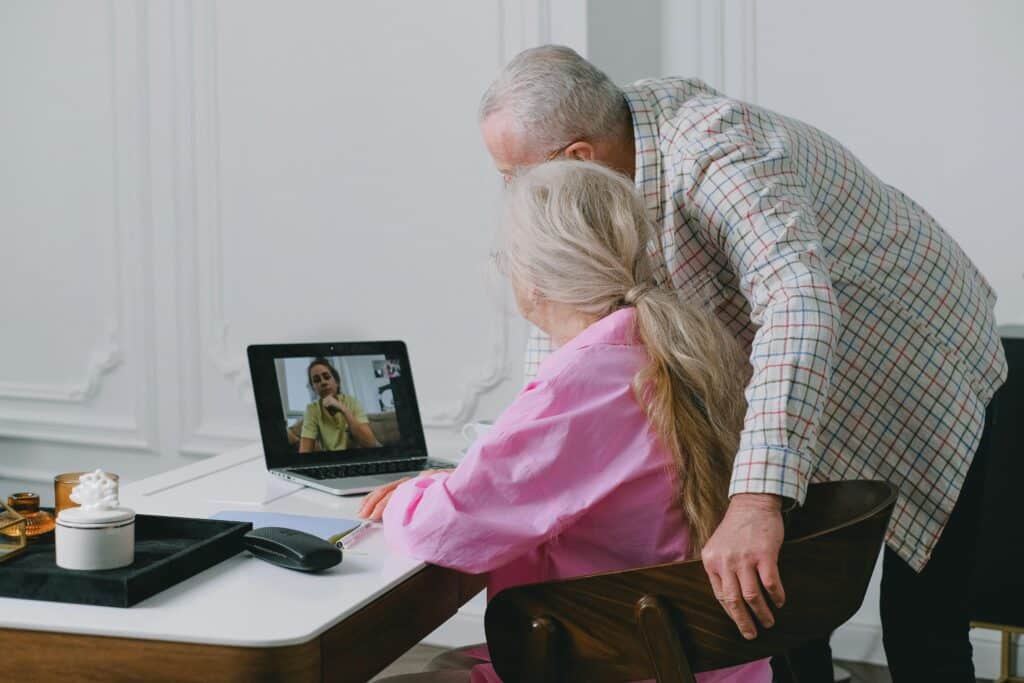
For many people who find face-to-face vulnerability particularly challenging, telehealth therapy offers distinct advantages. Research indicates that clients engaging in video-based therapy often report feeling less intimidated, less awkward, and less judged compared to traditional in-person sessions. The slight distance created by the screen can paradoxically make emotional honesty feel safer.
ReachLink’s telehealth platform connects you with licensed clinical social workers who specialize in helping clients build stronger relationships, process difficult experiences, and develop greater comfort with vulnerability. Through secure video sessions, you can work on these challenges from the comfort of your own space, which many clients find helps them open up more readily.
“Working with my ReachLink therapist has transformed how I approach relationships. I came in barely able to express what I was feeling, and now I’m having honest conversations with my partner and family that I never thought possible. The video format actually made it easier for me to open up at first—I felt less exposed than I would have in an office.”
— ReachLink client testimonial
Moving forward: Building the connections you deserve
Learning to open up emotionally is a process, not a single decision. It requires patience with yourself, willingness to take small risks, and often the support of others—whether trusted friends, family members, or a professional therapist.
The challenges you face with vulnerability are real and valid. Whether they stem from past hurt, current mental health symptoms, lack of practice, or simply the universal human fear of rejection, your struggles make sense. At the same time, the benefits of authentic connection—deeper relationships, better mental health, reduced isolation, and greater life satisfaction—make the work of developing emotional openness worthwhile.
Start where you are. If opening up feels impossible right now, that’s okay. Small steps—sharing one genuine feeling with a trusted person, expressing a preference you usually keep to yourself, or reaching out to a therapist to begin exploring these challenges—can set you on a path toward the meaningful connections that enrich life and support wellbeing.
Frequently asked questions
Why is it so hard for me to open up to anyone?
Difficulty with emotional expression can stem from multiple sources. You might fear judgment or rejection, worry about being misunderstood, or have learned through past experiences that vulnerability isn’t safe. Some people experience emotional disconnection due to trauma, mental health conditions, or simply lack of practice with emotional communication. Understanding your specific barriers—perhaps with the help of a therapist—is the first step toward addressing them.
Can therapy really help if I struggle to open up?
Yes. Ironically, therapy can be particularly valuable for people who find vulnerability difficult. Therapists are trained to create safe, non-judgmental spaces where you can practice emotional expression at your own pace. Many clients find that the professional nature of the therapeutic relationship makes it feel safer than opening up to friends or family. Additionally, licensed clinical social workers can help you identify and work through the specific factors making openness difficult for you.
Why do I find it easier to open up to strangers than to people close to me?
This is more common than you might think. Strangers don’t have established expectations of you, won’t be part of your ongoing life, and can’t use what you share against you in future interactions. The anonymity and lack of consequences can make honesty feel safer. This is one reason why support groups, online communities, and therapy can feel less intimidating than opening up to family or close friends—there’s less at stake socially and emotionally.
How do I know if I should work on opening up or if my guardedness is actually protecting me?
This is an important question that requires honest self-reflection. Healthy boundaries and appropriate privacy are different from chronic emotional guardedness that leaves you isolated. Ask yourself: Do I have at least one or two people I can be authentic with? Do I want closer relationships but feel unable to develop them? Is my guardedness based on current evidence that people aren’t trustworthy, or on past experiences that may not apply to present relationships? If you’re unsure, discussing this with a therapist can help you distinguish between healthy self-protection and barriers that are limiting your wellbeing.
What if my family or cultural background doesn’t value emotional openness?
Cultural norms around emotional expression vary significantly, and there’s no single “right” way to handle feelings. Some cultures emphasize emotional restraint and privacy, which isn’t inherently unhealthy. However, if you feel isolated or distressed by your inability to share your inner experiences with anyone, it may be worth finding contexts—perhaps with friends outside your family, in therapy, or in support groups—where you can experience the benefits of emotional connection while still respecting your cultural values in other settings.
How does mental health affect my ability to open up to others?
Mental health conditions can significantly impact emotional expression and social connection. Depression often brings low energy, feelings of worthlessness, and loss of interest in relationships. Social anxiety disorder creates intense fear of judgment in social situations. Trauma can make trust feel dangerous. These aren’t personal failings—they’re symptoms that can be addressed with appropriate treatment. Working with a licensed clinical social worker can help you manage these symptoms and gradually rebuild your capacity for connection.
What are practical first steps for someone who wants to become more open?
Start small and be patient with yourself. Choose one person you trust and share something slightly more personal than you usually would—a genuine opinion, a minor worry, or a hope you have. Notice how it feels and how they respond. Practice identifying and naming your emotions, even just to yourself. Consider joining a support group where others are also working on similar challenges. If past trauma or mental health symptoms are significant barriers, reaching out to a therapist can provide professional guidance tailored to your specific situation.
Is online therapy as effective as in-person therapy for these issues?
Research indicates that telehealth therapy is effective for a wide range of mental health concerns. For issues around vulnerability and opening up specifically, some people actually find video-based therapy easier initially because the slight distance of the screen feels less intimidating. You can work with your therapist from your own space, which many clients find comforting. ReachLink’s licensed clinical social workers are experienced in building strong therapeutic relationships through telehealth platforms and can effectively support you in developing greater emotional openness.
The information on this page is not intended to be a substitution for diagnosis, treatment, or informed professional advice. You should not take any action or avoid taking any action without consulting with a qualified mental health professional. If you are in crisis, please contact the 988 Suicide and Crisis Lifeline or the Crisis Text Line.
FAQ
-
What makes emotional openness so difficult for some people?
Emotional openness can be challenging due to past experiences, fear of vulnerability, cultural upbringing, or learned protective behaviors. Many people develop emotional barriers as a way to protect themselves from potential hurt or rejection. Childhood experiences, trauma, or previous relationships where emotions weren't received well can create patterns of emotional guardedness that persist into adulthood.
-
How can therapy help someone become more emotionally open?
Therapy provides a safe, non-judgmental space to explore emotions and practice vulnerability. Therapeutic approaches like Cognitive Behavioral Therapy (CBT) can help identify thought patterns that block emotional expression, while Dialectical Behavior Therapy (DBT) teaches emotional regulation skills. A therapist can help you understand the root causes of emotional barriers and develop gradual strategies for sharing more authentically with others.
-
What are some practical strategies to build authentic connections?
Start small by sharing minor personal experiences or feelings with trusted people. Practice active listening and show genuine interest in others' experiences. Use "I" statements to express your feelings without blame or judgment. Set healthy boundaries to protect your emotional energy while remaining open. Regular check-ins with friends or family, even brief ones, can help maintain and deepen connections over time.
-
How do I know if my difficulty with emotional openness needs professional help?
Consider seeking therapy if emotional barriers are significantly impacting your relationships, causing persistent loneliness, or preventing you from forming meaningful connections. Signs include feeling isolated despite wanting closeness, difficulty expressing basic needs or feelings, persistent fear of vulnerability, or patterns of pushing people away when they get close. Professional support can be especially helpful if these patterns stem from trauma or deeply ingrained beliefs about relationships.
-
What therapeutic approaches are most effective for improving emotional intimacy?
Several evidence-based therapies can help improve emotional intimacy. Emotionally Focused Therapy (EFT) specifically addresses attachment and connection patterns. CBT helps identify and change negative thought patterns about relationships. Family therapy or couples therapy can address relationship dynamics directly. Individual therapy using approaches like psychodynamic therapy can explore how past experiences impact current emotional patterns and help develop healthier ways of connecting.
