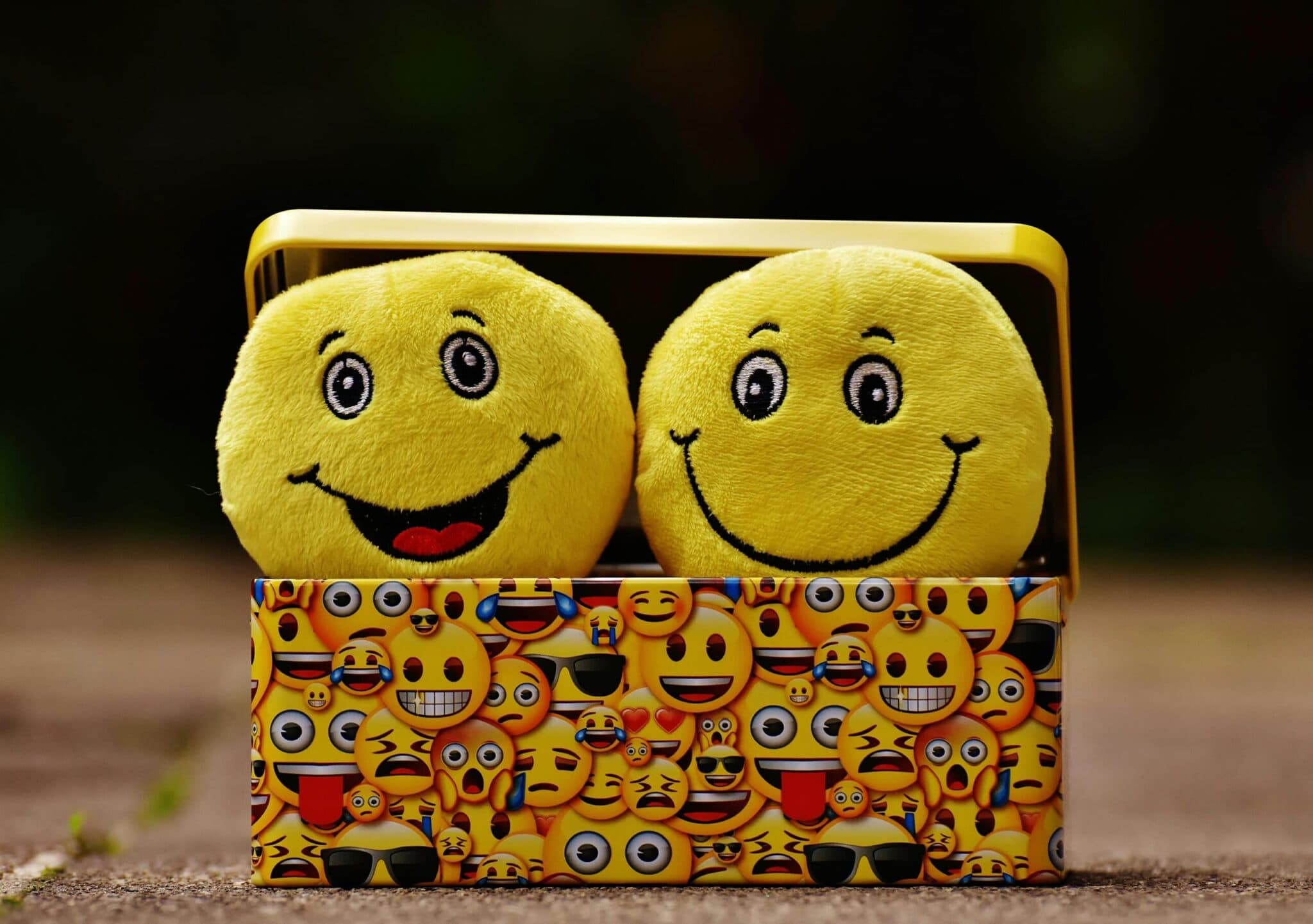
Humor styles profoundly influence relationship dynamics and personality expression through four distinct patterns: affiliative, self-enhancing, aggressive, and self-defeating humor, with research showing that positive humor styles correlate with stronger social connections and enhanced emotional well-being.
Ever notice how some people's jokes bring everyone closer, while others seem to push people away? Understanding your humor style can reveal surprising insights about your personality and transform the way you connect with others—whether you're breaking the ice with playful banter or using wit to navigate life's challenges.
Understanding How Different Humor Styles Shape Our Personalities and Relationships
Humor is an integral part of human connection. From lighthearted banter to witty observations, the way we express humor reveals much about our personalities and shapes how we interact with others. By understanding different humor styles, we can gain valuable insights into communication patterns and build stronger, more meaningful relationships.
The Four Humor Styles and What They Reveal About Personality
The way we use humor can provide a window into our personality traits and interpersonal tendencies. By recognizing these patterns in ourselves and others, we can navigate social interactions more effectively and develop deeper mutual understanding.
Self-defeating humor
This style involves making oneself the target of jokes, often highlighting personal flaws or mistakes. People who frequently use self-defeating humor might be attempting to gain social acceptance through self-deprecation. While this approach can sometimes ease tension, overreliance on self-deprecation might reflect underlying self-esteem issues or a tendency to seek validation through self-sacrifice.
Self-enhancing humor
Self-enhancing humor focuses on finding amusement in life’s challenges and celebrating small victories. Individuals who employ this style tend to maintain a positive outlook even during difficult circumstances. They typically possess resilience, optimism, and healthy self-esteem, as they can find humor without targeting themselves or others negatively.
Aggressive humor
This style uses sarcasm, teasing, or mockery directed at others. People who primarily use aggressive humor might be seeking to establish dominance or control in social situations. While occasionally effective for asserting boundaries, this approach often damages relationships and may mask personal insecurities beneath a veneer of superiority.
Affiliative humor
Affiliative humor centers on creating shared experiences and strengthening connections. Those who favor this style typically value harmony and belonging in their social circles. They tend to demonstrate empathy and compassion, using humor as a bridge rather than a barrier between themselves and others.
Benefits of Understanding Different Humor Styles
Recognizing the various types of humor can enhance our social intelligence in several important ways:
- Improving communication across personality types
- Expanding self-expression capabilities
- Gaining exposure to diverse perspectives
- Developing better listening skills
- Cultivating greater empathy and social awareness
- Strengthening personal and professional relationships
- Finding common ground with different personality types
- Breaking down social barriers
- Fostering deeper understanding between individuals
This awareness becomes particularly valuable when building new relationships or strengthening existing ones with family members, friends, or colleagues.
Discovering Your Humor Profile
Identifying your predominant humor style isn’t always straightforward, as most people use different approaches depending on context and emotional state. For an objective assessment, consider asking trusted friends or family members for their observations about your humor tendencies. Mental health professionals can also help explore how your humor style might function as a coping mechanism or influence your overall wellbeing.
Research Insights on Humor and Relationship Dynamics
Psychological research has revealed significant connections between humor styles and social functioning. Studies indicate that positive humor styles correlate with “various domains of social competence” and emotional intelligence. Research also demonstrates that positive humor styles contribute to satisfaction in romantic relationships, while negative styles are associated with relationship difficulties. These findings highlight the importance of understanding how our humor choices affect our most important connections.