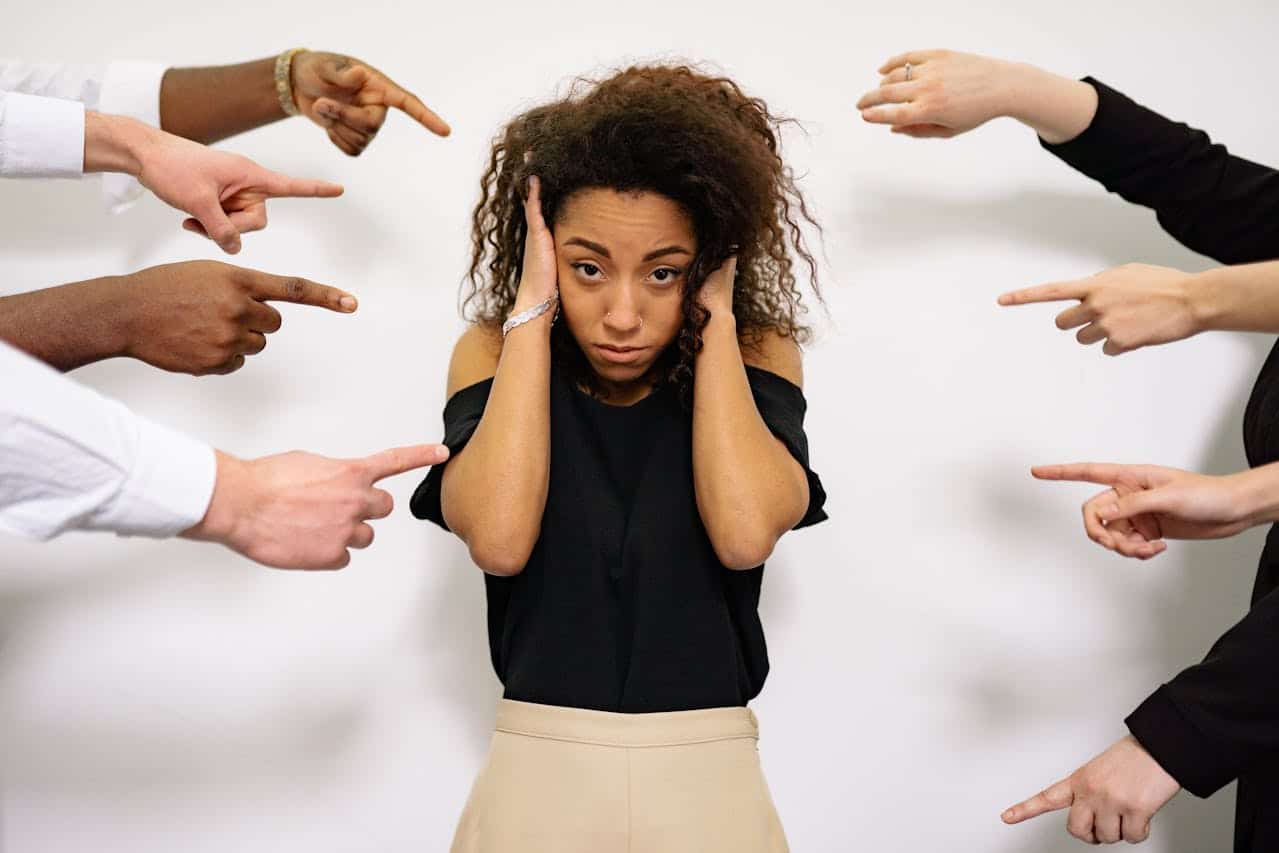
Rejection sensitive dysphoria causes intense, overwhelming emotional responses to perceived criticism or rejection in up to 99% of adults with ADHD, stemming from neurological differences in dopamine regulation and emotional processing that respond effectively to targeted therapy interventions like CBT and DBT.
Why does a coworker's offhand comment feel like a knife to the heart, or a friend's canceled plans trigger overwhelming shame? If you have ADHD, you might be experiencing rejection sensitive dysphoria - an intense neurological response that affects up to 99% of ADHD adults.
What is rejection sensitive dysphoria?
Rejection sensitive dysphoria, or RSD, describes an intense emotional response to perceived or actual rejection, criticism, or failure. The pain feels immediate and overwhelming, often arriving in a sudden wave that can be difficult to control. For adults with ADHD, this experience is remarkably common: clinical observations suggest that up to 99% experience RSD to some degree.
The term was coined by Dr. William Dodson, a psychiatrist specializing in ADHD. While RSD is not a formal diagnosis in the DSM-5, it’s widely recognized among clinicians as a significant ADHD-associated phenomenon. This distinction matters because it helps explain why you might not have heard about RSD from every healthcare provider, even though the experience itself is very real.
What sets RSD apart isn’t the trigger itself. Most people feel hurt by criticism or rejection. The distinguishing feature is the intensity and speed of the emotional response. A minor comment from a coworker or a friend’s canceled plans can spark feelings that seem wildly out of proportion to the situation. These reactions feel involuntary, as if your nervous system has already decided how to respond before your rational mind catches up.
The emotional flooding associated with RSD can mirror anxiety symptoms, creating a sense of dread or panic in social situations. Over time, repeated experiences of intense emotional pain can contribute to low self-esteem and a persistent fear of disappointing others. Understanding that RSD has a neurological basis, rather than being a personal flaw, is often the first step toward managing it effectively.
Why ADHD causes RSD: the neuroscience
The connection between ADHD and rejection sensitive dysphoria isn’t just psychological. It’s rooted in how the ADHD brain is wired differently. Understanding these biological mechanisms can help you recognize that your intense reactions to rejection aren’t character flaws or overreactions. They’re the result of real neurological differences.
Dopamine and the reward system
Dopamine plays a central role in how we process rewards, motivation, and emotional significance. In adults with ADHD, dopamine regulation works differently. This means your brain may struggle to properly weigh the emotional importance of events, making rejection feel more significant than it might to someone without ADHD. When positive feedback doesn’t register as strongly but negative feedback hits hard, you’re left with an imbalanced emotional experience.
The prefrontal cortex and emotional control
Your prefrontal cortex acts like an emotional thermostat, helping regulate intense feelings before they overwhelm you. In ADHD, this region often shows reduced activity, which impairs what researchers call “top-down” emotional regulation. Without this brake system working at full capacity, emotions can escalate quickly and feel impossible to control in the moment.
Amygdala hyperreactivity
The amygdala is your brain’s threat detection center. For many adults with ADHD, this region responds more intensely to social cues, particularly anything that hints at disapproval or rejection. A neutral facial expression might register as disappointment. A delayed text response might feel like abandonment. This hyperreactivity creates amplified threat responses even when no real threat exists.
When rejection feels like physical pain
Research suggests that ADHD brains process social rejection using neural pathways similar to those activated by physical pain. This overlap explains why rejection can feel genuinely unbearable, not just emotionally difficult. The neurobiological mechanisms involved share features with emotional dysregulation found in mood disorders, though RSD has its own distinct pattern.
The weight of experience
Biology isn’t the whole story. Many adults with ADHD have accumulated years of criticism, misunderstandings, and perceived failures. This lifetime of negative feedback compounds the brain’s existing sensitivity, creating a heightened vigilance for any sign of rejection.
Signs and symptoms of RSD in adults
Recognizing rejection sensitive dysphoria starts with understanding how it shows up in your daily life. The symptoms span emotional, physical, behavioral, and cognitive experiences, and they often overlap in ways that can feel confusing. What makes RSD particularly challenging is that your nervous system responds the same way whether the rejection is real or simply perceived.
Emotional and physical symptoms
The emotional intensity of RSD can be staggering. You might experience overwhelming shame that floods your entire being within seconds. Sudden rage can erupt when you feel criticized, even mildly. A crushing sadness may wash over you after a social interaction that others would consider neutral. Feelings of worthlessness can take hold quickly, making you question your value as a person, employee, or friend.
These emotional responses often come with physical sensations that feel startlingly real. Many people describe chest tightness or a heavy pressure on their heart. Stomach pain or nausea frequently accompanies episodes. Some describe feeling physically wounded, as if rejection leaves an actual injury. Your body treats emotional pain as a genuine threat.
Behavioral patterns and avoidance
Over time, RSD shapes how you move through the world. People-pleasing becomes a protective strategy, where you prioritize others’ approval to avoid potential criticism. Perfectionism develops as a way to stay above reproach. You might avoid taking risks, whether in your career, relationships, or creative pursuits, because the possibility of failure feels unbearable.
Social withdrawal is another common pattern. Rather than risk rejection, you may pull back from friendships or decline invitations. Some people experience sudden rage or overwhelming emotions that strain relationships, creating a cycle of conflict and isolation.
Cognitive distortions during episodes
During an RSD episode, your thinking shifts in predictable ways. Catastrophizing takes over, turning a minor setback into evidence of complete failure. Mind-reading convinces you that others are judging you harshly, even without evidence. You assume the worst possible interpretation of ambiguous situations, like believing a friend’s delayed text response means they’re angry with you.
These episodes often resolve quickly, sometimes within hours. They leave marks on your self-perception that accumulate over time, shaping how you see yourself and what you believe you deserve.
RSD vs social anxiety, BPD, and other conditions
Rejection sensitive dysphoria shares surface-level similarities with several mental health conditions, which can lead to misdiagnosis or overlooked treatment needs. Understanding the key differences helps both individuals and clinicians identify what’s really happening and choose the most effective support strategies.
Distinguishing RSD from social anxiety disorder
While both RSD and social anxiety involve intense emotional responses to social situations, they operate in fundamentally different ways. Social anxiety is anticipatory and pervasive: you might spend days dreading a party, avoid speaking up in meetings, or feel a constant undercurrent of worry about being judged. The fear is ongoing and colors many aspects of daily life.
RSD, by contrast, is acute and trigger-specific. You might feel completely confident walking into that same party, only to experience a sudden, overwhelming emotional crash when someone’s comment lands wrong. The intensity is often disproportionate to the situation, but it’s tied to a specific moment of perceived rejection rather than a generalized fear. Once the episode passes, the emotional storm typically clears relatively quickly.
RSD vs borderline personality disorder
The emotional intensity of RSD can look similar to patterns seen in borderline personality disorder, but the underlying features differ significantly. BPD involves a core fear of abandonment that shapes behavior across relationships, along with identity disturbance and chronic feelings of emptiness. People with BPD often experience unstable relationship patterns that swing between idealization and devaluation.
RSD doesn’t include these features. A person with ADHD experiencing RSD typically has a stable sense of identity and consistent relationship patterns. Their emotional reactions are specifically tied to rejection triggers rather than reflecting broader interpersonal instability.
Ruling out depression and complex PTSD
RSD episodes can feel crushing, but they differ from depression in their duration. Depression involves persistent low mood lasting weeks or longer, affecting energy, motivation, and daily functioning across the board. RSD episodes, while intense, tend to resolve within hours or days once the triggering situation passes.
Complex PTSD involves emotional dysregulation rooted in trauma history, often accompanied by negative self-perception, difficulty with relationships, and dissociative symptoms. RSD doesn’t require a trauma history to develop, as it stems from ADHD-related neurological differences.
Comorbidity complicates the picture. A person with ADHD can absolutely experience RSD alongside social anxiety, depression, or trauma-related conditions. Accurate differentiation matters because each condition responds to different treatment approaches, and addressing only one piece may leave significant symptoms unmanaged.
How RSD impacts relationships and work
Rejection sensitive dysphoria doesn’t stay contained to isolated moments. It ripples outward, shaping how you connect with partners, perform at work, and maintain friendships. Recognizing these patterns is the first step toward changing them.
Relationships and emotional intimacy
For adults with ADHD who experience RSD, romantic relationships can feel like an emotional minefield. You might interpret a partner’s neutral expression as disappointment, or hear criticism in a simple request. This hypervigilance is exhausting for everyone involved.
Some people with RSD withdraw preemptively, pulling away before a partner can reject them. Others avoid conflict entirely, suppressing their own needs to keep the peace. Over time, these unspoken frustrations build until the relationship fractures under their weight. Partners often feel confused, unsure why small comments trigger such intense reactions.
Career and workplace challenges
RSD can quietly sabotage professional growth. You might avoid applying for promotions because visibility feels dangerous, or you might overwork yourself trying to prevent any possible criticism. Performance reviews become sources of dread rather than opportunities for growth.
This pattern creates a painful paradox: the fear of negative feedback leads to playing small, which then limits career advancement. Some adults with ADHD deliberately underperform, reasoning that low expectations are safer than the risk of falling short.